Insights
Soybean Oil Supply: Weather, Harvests and Prices
Dresyamaya Fiona
•
8 Minutes
read
•
Oct 12, 2026
As a product of soybean processing, soybean oil is influenced by conditions in both agriculture and the vegetable oil industry. Crop performance, seasonal weather patterns, and the availability of soybeans for crushing can affect production volumes and the flow of oil into the market.
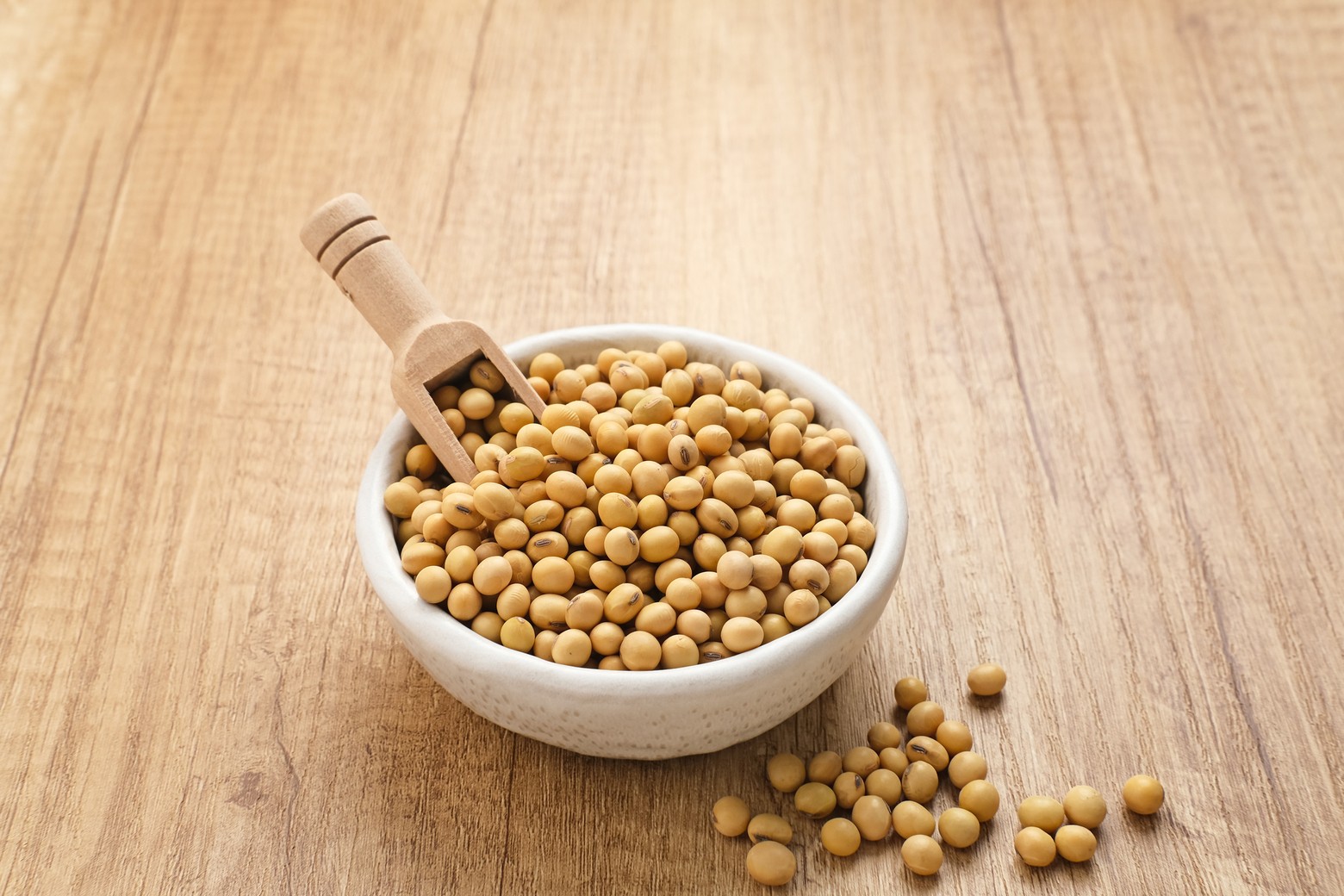
Soybean oil is one of the most widely used vegetable oils in the world. It appears in cooking oils, packaged foods, and industrial products, and it is increasingly linked to biofuel production. Because demand comes from so many directions, anyone who buys, sells, or trades in this market pays close attention to soybean oil supply.
Supply does not start in a refinery or a port. It starts in the field. Before a single bean is crushed, crop conditions and weather have already influenced how much oil will eventually reach the market.
Why Soybean Oil Supply Starts with the Crop
Soybean oil is a by product of crushing soybeans, which also yield soybean meal. That means the availability of oil is tied directly to how many soybeans are grown, harvested, and processed. A larger, healthier crop generally means more beans available for crushing. A smaller or damaged crop tightens what is available.
For this reason, market participants monitor soybean crop conditions throughout the growing season. Planting progress, plant development, and overall crop health all give early signals about what the harvest may look like. These indicators are not final answers, but they help shape expectations well before the harvest is complete.
Read also: Agriculture Markets: An Investor's Guide to Categories
Crop Conditions and Weather: A Key Supply Variable
Among all the factors that influence supply, soybean crop conditions and weather are among the most important. Soybeans are sensitive to their growing environment, and conditions at critical stages can affect yield and quality.
Several weather-related factors are commonly watched:
- Rainfall: Too little can stress plants, while too much can delay planting or harvesting and damage crops.
- Temperature: Extreme heat or unexpected cold can affect plant development.
- Drought and flooding: Prolonged dry spells or excessive water can reduce yields across large areas.
- Timing: The same weather event can have very different effects depending on the stage of crop growth.
Because weather is unpredictable and can change quickly, it is one of the main sources of uncertainty in the soybean oil supply chain.
How Poor Harvests Affect Exportable Supply
Soybeans and soybean oil are traded globally, and a limited number of major producing regions provide a large share of the world's supply. When weather disruptions lead to a poor harvest in one of these regions, the effects can reach well beyond local farms.
Here is how it typically works. A weaker harvest means fewer soybeans available for domestic crushing and for export. Producing countries often prioritize their own domestic needs first, so the amount left over for international buyers, the exportable supply, can shrink. Importing countries that depend on those shipments may then look to other origins, which can change trade flows and increase competition among buyers.
Since supply chains are interconnected, a disruption in one region can influence availability, logistics, and sourcing decisions elsewhere. This is why global buyers, processors, and traders watch weather in major growing regions so closely.
Expectancy Supply and Commodity Market Pricing
Commodity markets are forward looking. Prices do not only reflect what is available today. They also reflect what participants expect to be available in the coming weeks and months.
This is why supply expectations matter.If crop conditions suggest a smaller harvest, markets may adjust to reflect thepossibility of tighter availability. If conditions look favorable and a largercrop is anticipated, expectations may shift the other way. Reports on cropprogress, weather forecasts, and harvest updates all feed into this process.
It is important to note that supply is only one piece of the picture. Demand from food, feed, and biofuel sectors, currency movements, trade policy, energy markets, and stock levels all play a role too. Supply expectations can influence pricing, but they do not determine a specific outcome on their own, and no one can reliably predict exact price movements from crop conditions alone.
What to Watch When Tracking Soybean Oil Supply
For businesses and traders following the market, a few practical habits can help:
- Follow crop condition reports during the growing season to understand the health of the crop.
- Monitor weather forecasts in major producing regions, especially during key development stages.
- Track harvest progress and yield updates as the season moves toward completion.
- Watch export activity to see how much supply is actually reaching international markets.
- Consider the broader context, including demand trends and stock levels, rather than relying on one indicator.
Using several sources together gives a more balanced view than focusing on any single data point
Read also: How Population Growth Drives Agriculture Commodity Demand
ACM Exchange’s Upcoming Agriculture Contract
For market participants who follow agricultural commodities, ACM Exchange has an upcoming agriculture contract on the way. As supply conditions in crops like soybeans continue to shape the market, a new contract gives traders and businesses another venue to manage exposure and act on their market views.
Understanding what drives supply, starting with crop conditions and weather, is a useful foundation for anyone considering the agriculture market
Key Takeaway
Soybean oil supply is shaped by a chain of events that begins in the field. Crop conditions and weather are central supply variables, and weather disruptions that cause poor harvests can reduce the exportable supply from major producing regions. Because commodity markets respond to expectations as much as to current conditions, shifts in the supply outlook can influence pricing, though never in a way that allows for certain predictions.
For anyone who buys, sells, or trades soybean oil, staying informed about crop conditions and weather is one of the most practical ways to understand the risks and opportunities in the market.