Insights
Agriculture Markets: An Investor's Guide to Categories
Dresyamaya Fiona
•
8 Minutes
read
•
Aug 20, 2026
The agriculture market includes crop based and livestock commodities with different economic and trading characteristics. Production cycles, seasonal patterns, weather conditions, and changes in global demand can affect each category in different ways.
Based on FAO, wheat jumped at 5.8% in a single month on fears over Black Sea shipping disruptions. Palm oil hit its highest level in four years on Indonesian biofuel demand. Meanwhile, global meat prices pulled back from a record high, even as sheep meat set a new one. If you follow financial markets, headlines like these show up constantly, but they rarely explain why one commodity is moving one way while another moves the opposite direction in the same week.
That's because “agriculture markets” isn't one market. It's three distinct ones: grains, soft commodities, and livestock, each moving on its own supply, weather, and demand signals. For investors more comfortable with metals or other standardized derivatives, that can make agriculture feel harder to read, even though it covers some of the largest, most actively traded contracts in the world.
This guide breaks down what agriculture markets are, how agricultural contracts are structured, how they compare to metal contracts, and where each of the three commodity categories fits, so the next agriculture headline makes a lot more sense.
What are Agriculture Markets?
Agriculture markets are where agricultural commodities change hands, either through direct physical trade or on organized exchanges. Buyers and sellers meet in these markets to set prices based on supply and demand, giving producers and commercial buyers an efficient way to transact.
A handful of recurring factors move these prices:
- Seasonal harvest cycles
- Weather conditions
- Global demand
- Trade policies
- Supply chain disruptions
Because these factors shift throughout the year, agriculture prices rarely sit still, which is exactly why transparent, well-organized markets matter so much to the people trading in them
Understanding Agricultural Contracts
Agricultural contracts are standardized agreements that spell out the quantity, quality, and delivery terms for a given agricultural commodity, whether that's a set weight of wheat, a grade of coffee, or a delivery month for live cattle.
Instead of negotiating every transaction from scratch, buyers and sellers agree to a common specification once, then trade against it. That single design choice is what makes agricultural markets efficient. It's the same structure that lets commodity exchanges function as organized marketplaces instead of a patchwork of one-off deals.
These standardized contracts are used across the supply chain, by:
- Producers
- Processors
- Exporters
- Importers
- Commercial buyers
- Institutional participants
For each of these groups, standardization does real work it supports price discovery, opens up market access, and gives every party more confidence that the contract on the other side of the trade means exactly what it says
How Agricultural Contracts Differ from Metal Contracts
Agricultural and metal contracts both fall under the umbrella of commodity markets, and both use the same standardized-contract structure described above. But the products underneath them behave in fundamentally different ways, and that difference shapes how each is traded.
That puts agricultural markets at the mercy of:
- Harvest conditions
- Climate events
- Crop quality
- Planting decisions
- Seasonal demand
These factors tend to repeat on a calendar, which is why agricultural prices often show recognizable seasonal patterns year after year, on top of whatever else is happening in the wider economy.
Metal Commodities
Metals such as gold, silver, copper, and platinum are mined, not grown. Mining output, refining capacity, and industrial investment drive their supply, not planting and harvest calendars. ACM Exchange's own metal contracts are a live example of this: copper, platinum, silver, and gold trade year round on production and demand fundamentals, with no growing season in sight.
Metal markets respond more to:
- Industrial activity
- Infrastructure spending
- Manufacturing demand
- Energy transition projects
- Global economic growth
Both sectors trade on supply and demand. That basic mechanic never changes, but the forces setting that supply and demand apart are fundamentally different. A drought in Brazil moves soybeans. A slowdown in Chinese construction moves copper. Same market structure, different playbook.
The Three Main Categories of Agricultural Commodities
With that contrast in mind, here's a fast tour of the three categories that make up agriculture markets specifically.
1. Grains
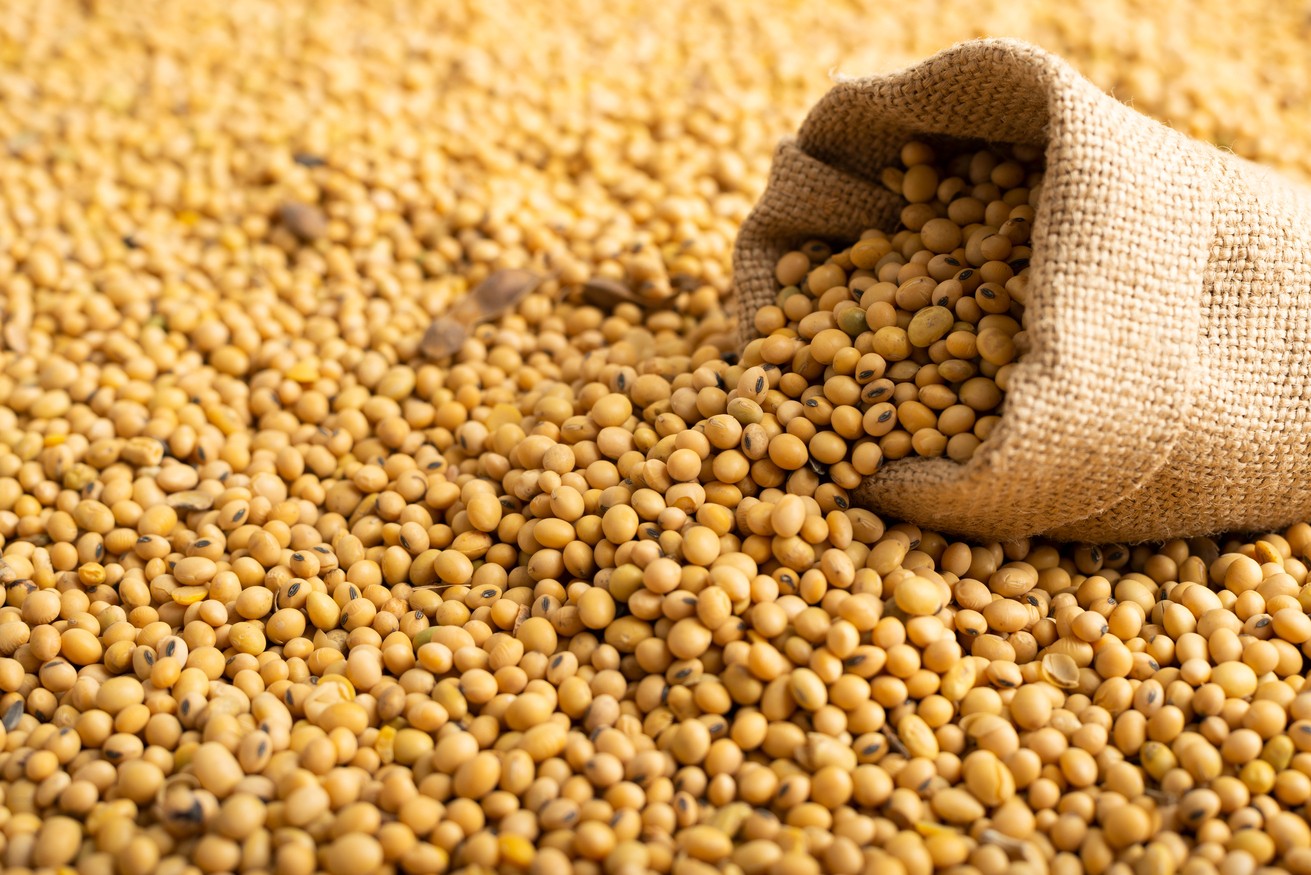
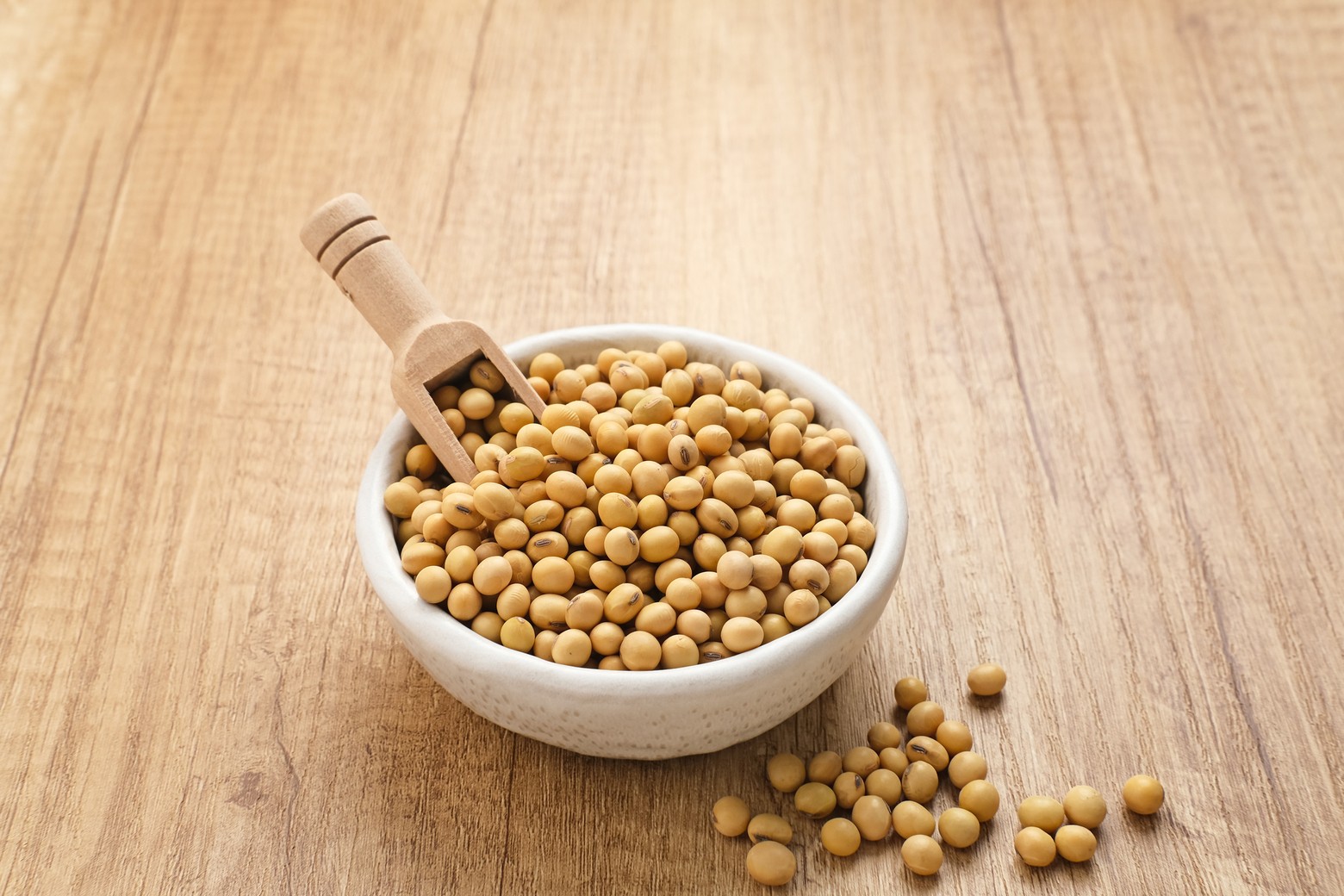
Grains are staple crops grown for human food, animal feed, and industrial use, and they're usually the first thing people picture when they hear “agriculture markets.” Wheat, corn, soybeans, and rice are the big four, and all four trade on some of the world's most liquid derivatives exchanges.
They earn that attention because grain supply and demand feed directly into food security and trade policy. When wheat jumped nearly 6% in July 2026 on Black Sea export concerns, or when corn climbed on hot, dry U.S. growing conditions, those moves rippled through livestock feed costs, biofuel economics, and consumer food prices within weeks. For a closer look at how one grain trades, our guide to investing in corn is a good next stop.
2. Soft Commodities
Soft commodities are grown, not mined or extracted, which is what separates them from metals. Coffee, cocoa, sugar, and cotton are the classic examples, though the category can stretch to include vegetable oils like palm oil.
Palm oil is a good live illustration of how fast soft commodity pricing can move: it hit its highest level in four years in July 2026, driven largely by Indonesian biodiesel demand. For a full breakdown of the category, including what drives each individual commodity and the risks specific to softs, see our dedicated guide to soft commodities.
3. Livestock
Livestock markets cover animals raised for food, mainly live cattle, feeder cattle, and lean hogs. Unlike grains or softs, livestock doesn't have a single harvest moment. Supply builds continuously through breeding cycles, feed availability, and herd health, which gives this category its own rhythm entirely.
That rhythm doesn't always move with the rest of agriculture. In July 2026, global meat prices pulled back 2.8% after hitting a record high the month before, even while grains and vegetable oils were climbing, a reminder that “agriculture markets” rarely move as one block.
Each category runs on its own supply and demand logic, which is exactly why lumping them into a single “agriculture markets” story can be misleading. Reading grains, softs, and livestock as three separate stories, each with its own drivers, is a much sharper way to track this space.
Why Agriculture Markets Matter
For the finance industry specifically, agriculture markets earn their place in the conversation for a few concrete reasons beyond feeding the planet.
They diversify a portfolio differently than metals or equities. Agricultural commodities often move on weather and biological cycles rather than interest rate decisions or industrial demand, so they don't always rise and fall in step with the rest of a portfolio.
They're a macro signal. The FAO Food Price Index climbing to its highest level in over three years in July 2026 wasn't just a headline for farmers. It reflected Black Sea shipping risk, El Niño exposure, and biofuel policy all showing up in one number, the kind of read through institutional desks and brokerages track for a reason, alongside broader market trends shaping 2026.
And they run on the same standardized-contract infrastructure covered earlier, which is what makes price discovery, hedging, and market access possible at scale in the first place.
Put together, that's why agriculture markets are worth a place in the same conversation as metals and other asset classes, not a separate one.
Read also: Palm Oil Industry Uses Production Impact
Looking Ahead
From grains that support global food supplies to soft commodities used in everyday products and livestock that meetgrowing protein demand, each category plays a unique role in the world economy.
Agriculture markets reward the same discipline metals traders already use know the contract, know what moves the price, and don't assume every commodity in the basket is telling the same story. Grains react to harvests and shipping routes. Softs react to weather and biofuel policy. Livestock reacts to feed costs and herd cycles. And metal contracts sit on an entirely different set of drivers again.