Insights
El Nino Impacts on Commodity Production and Prices in Indonesia
Dresyamaya Fiona
•
7 Minutes
read
•
Nov 9, 2026
Weather conditions are an important factor in Indonesia's agricultural commodity production. During El Nino, shifts in rainfall and temperature can affect planting schedules, water availability, and crop development, influencing the production cycle of commodities such as rice, coffee, and palm oil.
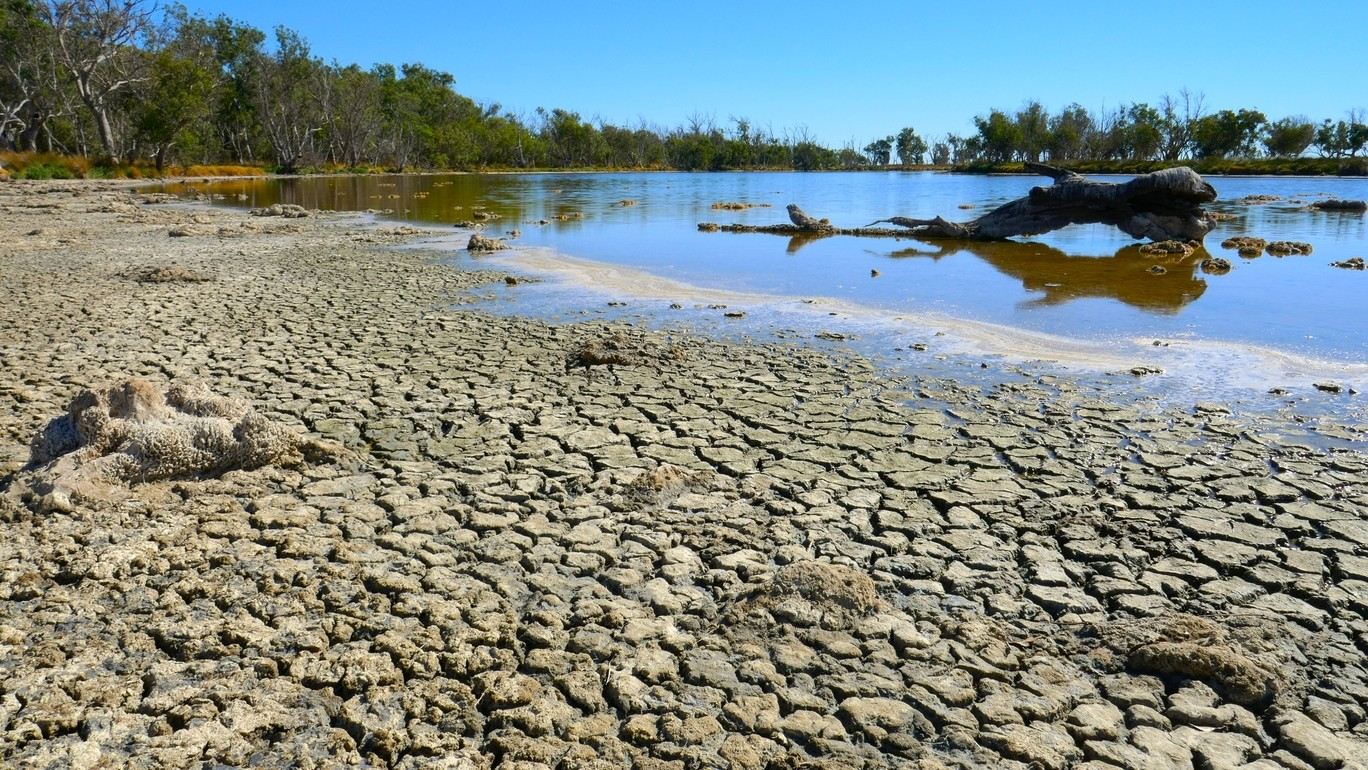
Climate patterns play an important role in shaping global commodity markets. Among these patterns, El Nino is one of the major climate phenomena that can influence agricultural production, disrupt supply chains, and contribute to price fluctuations.
As changing weather conditions affect crop yields and growing seasons, the consequences can extend beyond farms to traders, manufacturers, and consumers.
Understanding El Nino impacts are particularly important for commodity producing countries such as Indonesia, where agriculture contributes to domestic food supplies and export earnings. Changes in rainfall and temperature can affect harvests, alter market expectations, and influence the prices of essential agricultural commodities.
But which commodities are most vulnerable to El Nino, and how does this climate phenomenon affect commodity prices in Indonesia?
Which Commodities Are Most Vulnerable to El Nino?
El Nino occurs when sea surface temperatures in the central and eastern equatorial Pacific Ocean become warmer than average, influencing atmospheric circulation and weather patterns worldwide.
In Indonesia, El Nino impact often increases the risk of below-average rainfall and drought, although the severity and location of its effects vary between events.
Agricultural commodities are particularly vulnerable because crop development depends heavily on rainfall, temperature, soil moisture, and water availability.
1. Rice
Rice is among the most important commodities to monitor in Indonesia. Insufficient rainfall can reduce water availability for irrigation, delay planting schedules, and lower yields.
Because rice is a staple food, production disruptions can have significant implications for domestic food availability and prices.
2. Palm Oil
Palm oil is another commodity exposed to changing weather conditions. Oil palm trees require adequate moisture to maintain productivity. Prolonged dry conditions can affect fruit development and reduce fresh fruit bunch yields, with potential consequences for crude palm oil (CPO) production.
3. Coffee and Cocoa
Coffee and cocoa are also sensitive to weather variability. Drought and elevated temperatures can affect flowering, fruit development, and crop quality. Indonesia's coffee and cocoa sectors may therefore face production challenges when unfavorable weather conditions coincide with critical stages of the growing cycle.
Beyond Indonesia, El Nino impact can affect major agricultural producers across different regions. Changes in weather patterns may influence soybean and corn production in parts of the Americas, wheat production in some growing regions, and sugar output in countries such as India and Thailand.
These examples illustrate why agricultural commodities are closely watched during El Nino events. However, the direction and magnitude of the impact depend on each crop's growing conditions and the geographic distribution of production.
Read also: Climate Change Risks for Agricultural Commodity Markets
How El Nino Affects Commodity Production and Supply
The relationship between El Nino and commodity markets begins with agricultural production. When weather conditions become unfavorable, the effects can spread through several stages of the supply chain.
Lower Crop Yields and Production Uncertainty
Limited rainfall and prolonged drought can reduce soil moisture, restrict irrigation, and create stress during important crop development stages. In severe cases, farmers may experience lower yields or lose part of their harvest.
Production uncertainty can also influence planting decisions. Farmers may delay planting, reduce cultivated areas, or adjust crop choices based on water availability and expectations for future weather conditions. These changes can affect the volume of commodities entering the market months later.
Supply Shortages and Higher Production Costs
When harvests decline, the available supply of certain commodities may tighten. Producers and processors may face greater competition for raw materials, while businesses could encounter higher sourcing costs.
Drought can also increase the cost of irrigation, water management, and other farming operations. If transportation routes or logistics infrastructure are affected by extreme weather, distribution costs may rise as well.
For commodities traded internationally, disruptions in a major producing country can influence global supply expectations. Importers may seek alternative suppliers, while traders may adjust their positions in response to changing production forecasts.
Market Expectations and Price Movements
Commodity prices often respond not only to actual shortages but also to expectations. Weather forecasts indicating a higher risk of drought may prompt market participants to reassess future supply before harvest data becomes available.
Nevertheless, lower production does not automatically guarantee higher prices. Existing inventories, alternative sources of supply, consumer demand, currency movements, and government policies can offset or amplify the effects of weather-related disruptions.
This makes El Nino an important factor in commodity market analysis, rather than a standalone explanation for every price movement.
How El Nino Can Influence Commodity Price Volatility in Indonesia
In Indonesia, El Nino impacts can affect both domestic agricultural markets and internationally traded commodities. The extent of the effect depends on the commodity, domestic production levels, import requirements, and broader market conditions.
Food commodities and domestic inflation
Reduced rice production can tighten domestic supply, particularly when unfavorable weather coincides with seasonal harvest gaps. If domestic availability falls short of demand, prices may come under upward pressure. The effects can extend to other food products when consumers or businesses substitute one ingredient for another.
Government measures, including food imports, market operations, and distribution policies, can help moderate price pressures. Their effectiveness depends on timing, implementation, and the availability of supplies.
Export commodities and international prices
Indonesia is a major producer of palm oil and an important producer of coffee and cocoa. Weather-related production changes can influence export volumes, domestic availability, and market expectations.
For example, concerns about lower palm oil output may affect expectations for global edible oil supply. However, actual price movements also depend on competing vegetable oils, export policies, inventories, and demand from major importing countries.
Currency movements and import costs
Indonesia's exposure to global commodity prices also matters. When international prices rise, imported commodities and agricultural inputs may become more expensive in rupiah terms, particularly if the rupiah weakens against the US dollar.
These factors can reinforce existing price pressures. Conversely, favorable harvests elsewhere, sufficient inventories, or weaker demand may limit the impact of El Nino on prices.
For businesses, traders, and consumers, monitoring weather developments alongside production estimates, inventory data, exchange rates, and government policies provides a more complete picture of potential market volatility.
Read also: How Commodity Import Costs Affect Businesses
Conclusion
El Nino demonstrates how climate conditions can influence commodity markets through interconnected changes in agricultural production, supply availability, and market expectations. From rice and palm oil in Indonesia to coffee, cocoa, soybeans, and corn in international markets, weather-related disruptions can create uncertainty across the agricultural supply chain.
However, price movements are rarely determined by climate alone. Global demand, inventories, trade policies, currency fluctuations, and production conditions in other regions also shape market outcomes.
By understanding El Nino impacts and monitoring relevant market indicators, businesses and market participants can better assess potential supply disruptions and prepare for changing market conditions. In an increasingly interconnected commodity landscape, climate awareness is an important part of understanding the broader forces that influence commodity prices.