Insights
Soybean Oil vs Palm Oil Uses and Market Differences
Dresyamaya Fiona
•
8 Minutes
read
•
Sep 17, 2026
Two of the most widely used vegetable oils in global markets, soybean oil is extracted from soybeans, while palm oil is produced from the fruit of oil palm trees. Their different agricultural origins, production processes, applications, and supply chains contribute to distinct market characteristics.
Soybean oil vs palm oil is an important comparison in the global vegetable oil market. Both are widely traded commodities and play a significant role in the food, energy, and consumer goods industries.
Soybean oil is extracted from soybean seeds, while palm oil is produced from the fruit of oil palm trees. Although both are vegetable oils, they have different production processes, supply chains, applications, and market dynamics.
Understanding the differences between soybean oil and palm oil can help businesses, investors, and commodity market participants better understand the factors influencing the global edible oils market.
What Is Soybean Oil?
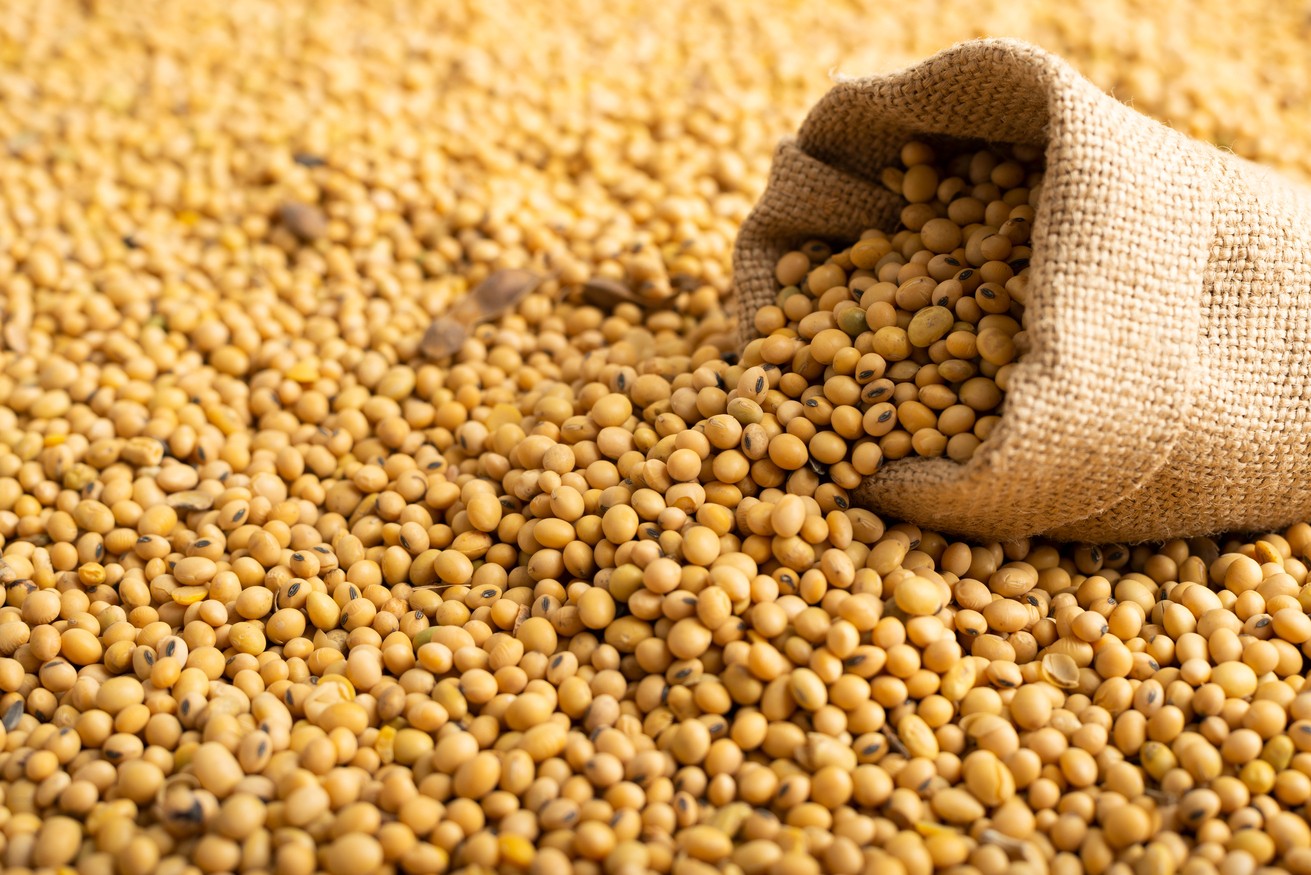
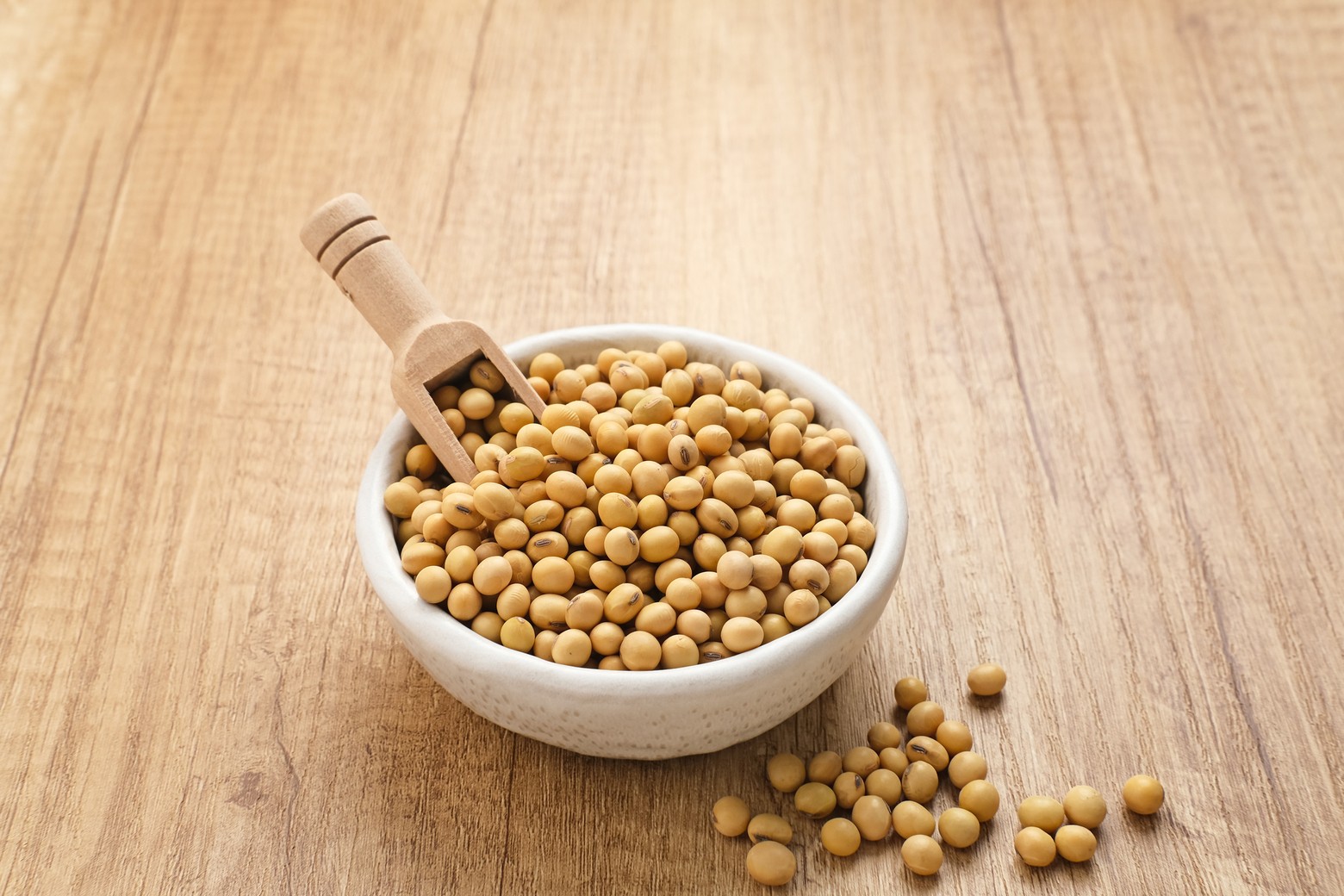
Soybean oil is a vegetable oil extracted from soybeans. Soybeans are one of the world's major agricultural commodities and are primarily grown in countries such as Brazil, the United States, and Argentina.
Soybean oil is closely connected to the broader soybean market because soybean processing produces both soybean oil and soybean meals. Soybean meals are widely used as animal feed, making the economies of soybean processing depend on demand for both products.
Soybean oil is commonly used in cooking oil, processed foods, margarine, salad dressings, and other food products. It is also increasingly used as a feedstock for biofuel production in some markets.
Because of these applications, soybean oil prices can be influenced by soybean production, global vegetable oil demand, biofuel policies, weather conditions, and energy prices.
What Is Palm Oil?
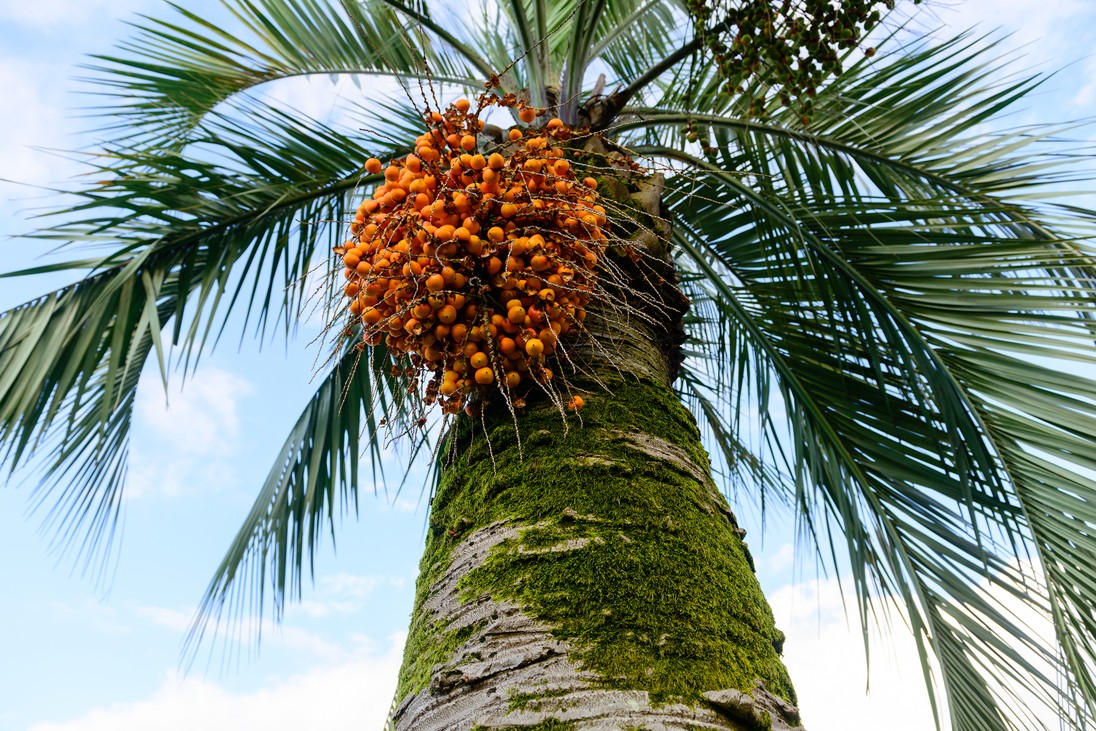
Palm oil is a vegetable oil produced from the fruit of oil palm trees. Indonesia and Malaysia are the world's leading palm oil-producing countries, making Southeast Asia a critical region for the global palm oil market.
Palm oil is widely used across the food and consumer goods industries. It can be found in products such as cooking oil, processed foods, baked goods, personal care products, soaps, and detergents.
Palm oil is also an important feedstock for biodiesel production. As a result, government policies related to renewable energy and biofuels can have a significant impact on palm oil demand.
Its relatively high oil yield per hectare also makes palm oil an important component of the global vegetable oil supply.
Read also: Agriculture Markets: An Investor's Guide to Categories
Soybean Oil vs Palm Oil:What Are the Main Differences?
There are several key differences between soybean oil and palm oil.
1. Source
The most obvious difference is their source. Soybean oil comes from soybean seeds, while palm oil comes from the fruit of oil palm trees.
This difference affects their cultivation cycles, production regions, and supply characteristics.
2. Productions Regions
Soybean production is concentrated in major agricultural regions such as South America and the United States. As soybean oil is a by product of soybean processing, developments in the soybean market can directly affect its supply.
Palm oil production, on the other hand, is heavily concentrated in Southeast Asia, particularly Indonesia and Malaysia.
This geographic concentration means that weather conditions, labor availability, government policies, and export regulations in these countries can have a significant impact on palm oil supply.
3. Production Efficiency
Oil palm trees generally produce a highamount of oil per hectare compared with many other oilseed crops. Soybeanproduction, meanwhile, provides both soybean oil and soybean meal, creating adifferent economic structure for producers and processors.
These differences contribute to the unique supply and demand dynamics of each commodity.
4. Applications
Soybean oil is primarily associated with food products and is also increasingly used in biofuel production.
Palm oil has a broader range of applications, including food, cosmetics, personal care products, household goods, and biofuels.
What Drives Soybean Oil and Palm Oil Prices?
Both soybean oil and palm oil are influenced by global supply and demand, but different factors can have varying levels of impact.
Weather is one of the most important factors. Droughts, excessive rainfall, and extreme weather events can affect crop yields and production.
Global demand is another major driver. Rising consumption of vegetable oils can increase demand for both soybean oil and palm oil, particularly in major importing markets.
Biofuel demand has also become increasingly important. Government mandates, renewable energy policies, and changes in energy prices can influence the amount of vegetable oil used for biofuel production.
Other factors include currency movements, crude oil prices, production costs, inventory levels, trade policies, export restrictions, and broader economic conditions.
Can Soybean Oil and Palm Oil Substitute to Each Other?
Soybean oil and palm oil can serve as substitutes in certain applications. When the price of one vegetable oil becomes relatively more expensive, buyers may consider switching to another oil depending on product requirements, availability, and quality specifications.
This substitution effect creates an important relationship between soybean oil and palm oil prices.
However, the two commodities are not completely interchangeable. Their physical properties, supply availability, production costs, and suitability for specific applications can influence purchasing decisions.
Why Does Soybean Oil vs Palm Oil Matter to Commodity Markets?
For commodity market participants, understanding soybean oil vs palm oil provides insight into the broader vegetable oil market.
Changes in soybean production in the United States or South America can influence soybean oil supply. At the same time, changes in palm oil production in Southeast Asia can affect global vegetable oil availability.
Because these commodities compete for demand in several applications, movements in one market can influence the other. Monitoring production forecasts, inventories, weather conditions, biofuel policies, and global demand can therefore provide a more complete view of vegetable oil market conditions.
Read also: Commodity Supercycle Impact on Global Markets
Conclusion
The comparison of soybean oil vs palm oil highlights the differences between two of the world's most important vegetable oil commodities.
Soybean oil is closely linked to the soybean complex and is widely used in food and biofuel applications. Palm oil, meanwhile, has a highly concentrated production base in Southeast Asia and is used across food, consumer goods, and energy industries.
While both oils can compete as substitutes in certain applications, their different production structures and supply chains mean that each market responds differently to changes in weather, demand, energy prices, and government policies.
For anyone following global commodity markets, understanding the relationship between soybean oil and palm oil can provide valuable insight into broader trends in agricultural commodities and vegetable oil prices.