Insights
How Population Growth Drives Agriculture Commodity Demand
Dresyamaya Fiona
•
7 Minutes
read
•
Aug 24, 2026
The relationship between population growth and agriculture commodity demand reflects the changing needs of a growing global population. Higher consumption requirements can influence demand for grains, oilseeds, livestock products, and other agricultural commodities, while income and urbanization can further alter consumption patterns.
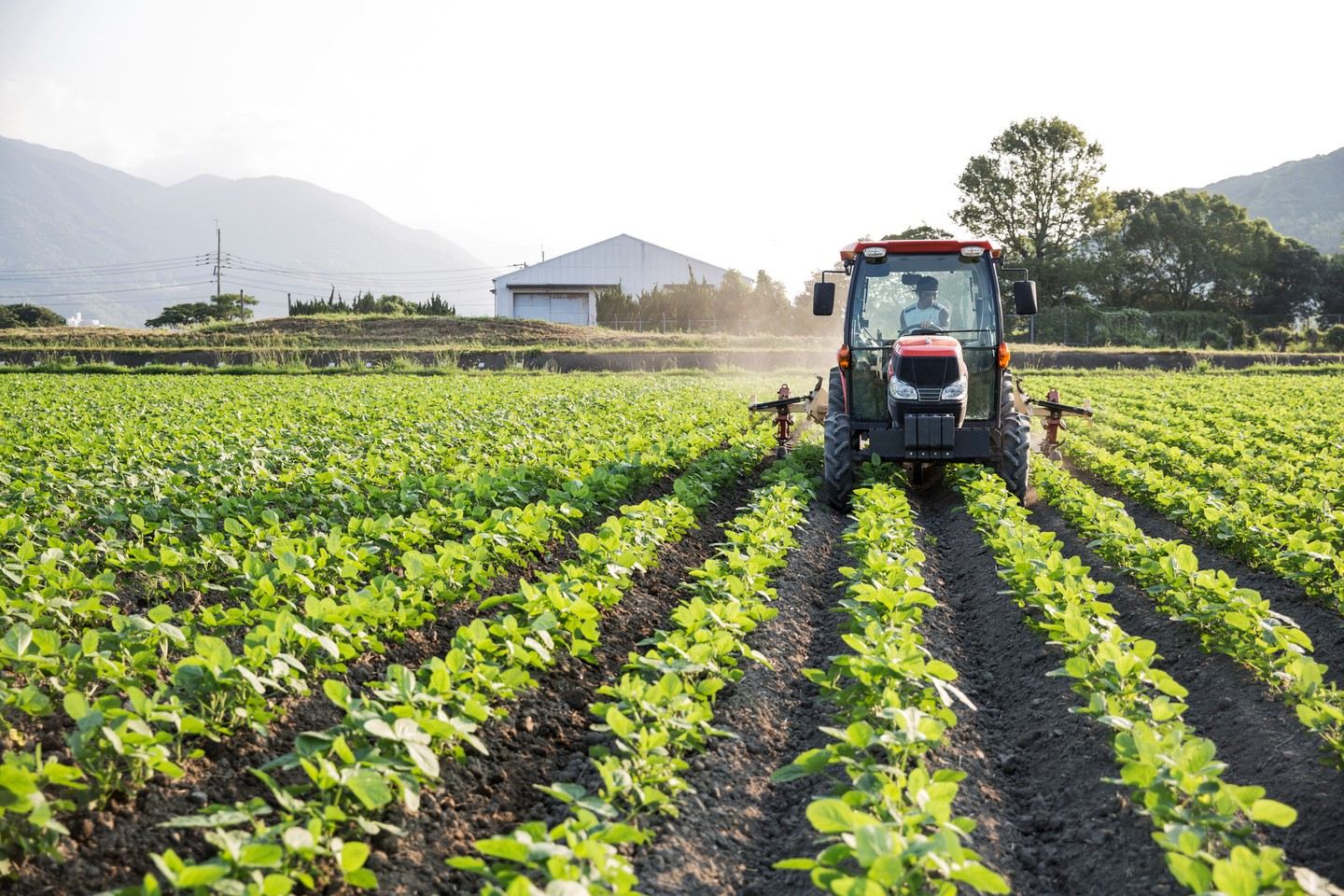
As the world's population continues to grow, so does the need for food, animal feed, and agricultural raw materials. This long-term trend plays a significant role in shaping agriculture commodity demand, influencing production, trade, and market dynamics across the globe.
While weather conditions, trade policies, and economic cycles can affect agricultural prices in the short term, population growth remains one of the strongest structural drivers of demand. As more people require food and resources, agriculture markets must continue adapting to meet evolving consumption needs.
Read also: Farmland Investing Explained for Investors
Why Agriculture Commodity Demand Continues to Grow
Agriculture commodity demand continues to grow due to several long term trends that are reshaping global consumption. While short-term demand may fluctuate with economic conditions, structural factors continue to support the need for agricultural products worldwide.
Population Growth
As the global population increases, demand for staple foods such as wheat, corn, rice, and soybeans also rises. More people require more food, making population growth one of the strongest long-term drivers of agricultural demand.
Rising Incomes
Economic growth, particularly in emerging markets, is changing dietary preferences. As household incomes increase, consumers tend to purchase more protein, dairy products, and processed foods, boosting demand for both livestock and feed crops.
Urbanization
Growing urban populations rely on efficient food supply chains, increasing demand for agricultural production, processing, and international trade. Urbanization also supports greater consumption of packaged and value-added food products
New Industrial Uses
Agricultural commodities are no longer used solely for food. Crops such as corn, sugarcane, and soybean oil are increasingly used in biofuels, while other agricultural products support industries including textiles, pharmaceuticals, and consumer goods.
Together, these long term trends continue to strengthen agriculture commodity demand, reinforcing the importance of agricultural markets in supporting global food systems and economic growth.
Rising Incomes Are Changing Consumption Patterns
Population growth is only part of the equation. As incomes increase particularly in emerging economies consumer preferences also evolve.
Many households begin consuming:
- More protein rich foods
- Dairy products
- Processed foods
- Higher value agricultural products
This shift creates additional demand not only for livestock but also for feed crops such as corn and soybeans, which are essential for animal production.
As a result, agriculture commodity demand expands beyond basic food consumption and supports a broader range of agricultural markets.
Urbanization Supports Agricultural Trade
Rapid urbanization is another factor influencing agriculture commodity demand.
As more people move into cities, food production and consumption become increasingly separated geographically. This creates greater reliance on efficient supply chains, international trade, and organized agricultural markets to ensure products move from producers to consumers.
Growing urban populations also contribute to increased demand for packaged foods, food processing, and agricultural imports in many countries.
Global Food Consumption
Global food consumption refers to the total demand for food by people around the world. As populations grow, incomes rise, and dietary preferences evolve, the amount and variety of food consumed continue to increase.
Several factors contribute to this trend:
- Population growth increases the need for staple crops such as wheat, rice, and corn.
- Rising incomes encourage higher consumption of protein, dairy, fruits, and processed foods.
- Urbanization changes eating habits and boosts demand for convenient and packaged food products.
- Changing diets in emerging economies lead to greater demand for livestock products, which also increases the need for feed crops like corn and soybeans.
As global food consumption continues to expand, demand for agricultural commodities grows alongside it. This reinforces the importance of efficient agricultural production, resilient supply chains, and well-functioning commodity markets to help meet the world's evolving food needs.
Challenges Ahead
Meeting rising agriculture commodity demand also presents challenges
Limited arable land, changing climate conditions, water availability, and production costs continue to affect agricultural output. At the same time, ensuring sustainable farming practices has become increasingly important as food demand grows.
Balancing productivity with sustainability will remain a key priority for governments, producers, and market participants in the years ahead.
Looking Ahead
Population growth is expected to remain one of the strongest long-term drivers of agriculture commodity demand. Combined with rising incomes and urbanization, it continues to shape global consumption patterns and influence agricultural markets.
Although short-term price movements may fluctuate due to weather or economic conditions, the long-term outlook for agricultural demand remains supported by structural demographic trends.
As agriculture markets continue to evolve, understanding the relationship between population growth and commodity demand can help market participants better interpret market developments and the broader forces shaping global food systems.