Insights
Commodity Storage: Managing Inventory and Distribution
Dresyamaya Fiona
•
8 Minutes
read
•
Nov 16, 2026
In commodity markets, storage connects production with the timing and location of demand. Producers, traders, processors, and distributors use storage facilities to hold physical inventory before commodities move to another stage of commercial activity or reach their final destination.
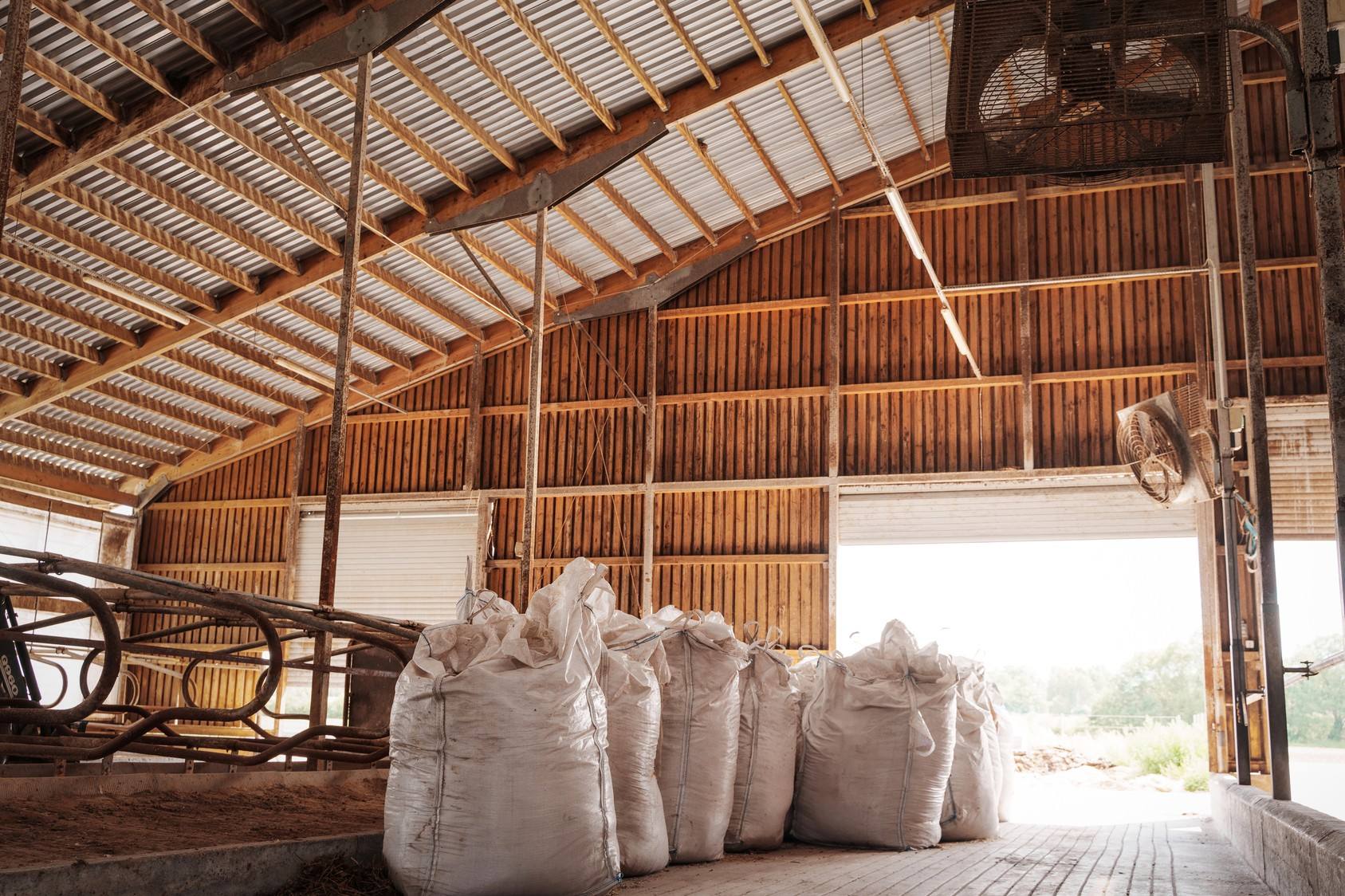
Commodity storage refers to the process of keeping raw materials and primary goods in designated facilities before they are transported, processed, or delivered to end users. It plays an important role in connecting commodity production with consumption by ensuring that products remain available when and where they are needed.
Commodity production and consumption do not always occur at the same time. Agricultural products, for example, are often harvested seasonally, while consumer demand continues throughout the year. Similarly, metals and energy commodities may require storage between production, transportation, and industrial use.
Through effective commodity storage, producers and distributors can manage these timing differences, maintain product availability, and support a more consistent flow of goods throughout the supply chain.
How Commodity Storage Connects Production and Consumption
Commodity storage helps bridge the gap between when commodities are produced and when they are needed in the market. Without adequate storage facilities, producers may face pressure to sell their products immediately, even when demand is limited or transportation arrangements are not ready.
Storage provides flexibility by allowing commodities to be held until they are required for processing, distribution, or consumption. For example, harvested agricultural products can be stored after harvest and distributed to food processors or retailers according to demand.
For metals, storage facilities allow materials to be held before delivery to manufacturers and other industrial users. Energy commodities, meanwhile, may be stored to help manage differences between production levels and consumption requirements.
By connecting these stages, commodity storage supports supply chain continuity and helps reduce disruptions caused by timing differences, transportation constraints, or temporary changes in demand.
Read also: Indonesia Agricultural Exports in Global Markets
How Commodity Storage Supports Inventory Management and Distribution
Effective commodity storage contributes to inventory management, delivery planning, and the smooth distribution of goods. These functions help businesses coordinate their operations and respond to changing market requirements.
Commodity Storage for Inventory Management
Commodity storage allows businesses to monitor available stock, track inventory levels, and determine when additional supplies may be needed. Accurate inventory records help producers, traders, distributors, and manufacturers make informed decisions about purchasing, sales, and stock replenishment.
Proper inventory management also helps businesses identify potential shortages or excess stock before they affect operations.
Commodity Storage for Delivery Planning
Storage facilities provide flexibility in scheduling transportation and delivery. Instead of moving all commodities immediately after production, businesses can coordinate shipments based on customer requirements, transportation availability, and delivery schedules.
This flexibility is particularly useful when commodities must travel long distances or pass through multiple stages before reaching their final destinations.
Commodity Storage for Distribution and Logistics
Commodity storage supports the orderly movement of goods from producers to distributors and end users. By maintaining suitable inventory levels at strategic locations, businesses can prepare products for delivery and coordinate distribution more efficiently.
However, effective distribution also depends on transportation infrastructure, handling procedures, storage capacity, and accurate demand forecasting.
How Agricultural Commodity Storage Differs from Metals and Energy Storage
Different commodities require different storage conditions because their physical properties, handling requirements, and susceptibility to damage vary.
Understanding these differences is essential for maintaining product quality and supporting reliable supply chains.
Agricultural Commodity Storage and Product Preservation
Agricultural commodities, such as coffee, wheat, corn, and soybeans, often require careful environmental management to preserve quality. Depending on the product, moisture levels, temperature, ventilation, and pest control can significantly affect storage conditions.
For example, grains generally need to be stored at appropriate moisture levels to reduce the risk of mold, spoilage, and pest infestations. Coffee beans also require suitable storage conditions to protect their quality and aroma.
Because many agricultural commodities are seasonal, storage can help maintain supply between harvest periods and support distribution throughout the year
Metal Commodity Storage and Material Protection
Metal commodities, including copper, silver, gold, and platinum, typically require secure facilities and appropriate handling procedures. Storage requirements depend on the metal's form, quantity, packaging, and intended use.
For example, metal products may need protection against moisture, contamination, physical damage, or unauthorized access. Warehouses handling valuable metals may also require strict inventory controls and security measures.
In addition to protecting the materials, proper storage arrangements help ensure that metals can be identified, handled, and prepared for delivery according to the requirements of manufacturers and other buyers.
Energy Commodity Storage and Specialized Infrastructure
Energy commodities, such as crude oil, refined petroleum products, natural gas, and coal, have distinct storage requirements based on their physical and chemical properties.
Liquid petroleum products are commonly stored in designated tanks designed to meet relevant safety and operational standards. Natural gas may require specialized infrastructure, such as underground storage facilities or liquefied natural gas (LNG) tanks, depending on its form. Coal, as a solid energy commodity, is generally stored in designated stockpiles or covered facilities where appropriate measures can help manage dust, moisture, and other operational risks.
Energy commodity storage often involves additional safety considerations, including fire prevention, pressure management, environmental protection, and compliance with applicable regulations.
How Commodity Storage Contributes to Supply Chain Efficiency
Commodity storage is an important component of an efficient supply chain because it helps businesses coordinate production, inventory, transportation, and consumption. By making commodities available when required, storage facilities can support more predictable delivery schedules and reduce the operational challenges associated with mismatched supply and demand.
The role of storage also extends beyond physical facilities. Inventory visibility, warehouse management systems, demand forecasting, and coordination among supply chain participants can improve how commodities are stored and distributed.
Nevertheless, storage involves costs, including facility maintenance, handling, insurance, security, and potential product deterioration. Businesses must therefore balance the benefits of maintaining inventory against the costs and risks of holding commodities.
Understanding these considerations helps explain why commodity storage is an essential part of commodity supply chains across agricultural, metals, and energy markets.
Read also: What is Commodity Brokerage and How it Works
Conclusion
Commodity storage connects production with consumption by helping commodities remain available between production, transportation, and delivery. It supports inventory management, improves delivery planning, and contributes to the smooth distribution of goods across different industries.
Although agricultural commodities, metals, and energy products have different storage requirements, each depends on suitable facilities and handling procedures to maintain product quality, safety, and availability.
As global supply chains continue to evolve, understanding commodity storage provides a useful starting point for exploring how commodities move through markets and reach the businesses and consumers that depend on them.