Insights
Gold vs Silver Performance in 2026: A Trader’s Guide
Rasya Azkha
•
8 Minutes
read
•
Jul 22, 2026
Although gold and silver are both precious metals, their market performance is driven by different economic and industrial factors. Comparing their price trends, volatility, and demand characteristics provides a broader understanding of how each metal behaves under changing market conditions.
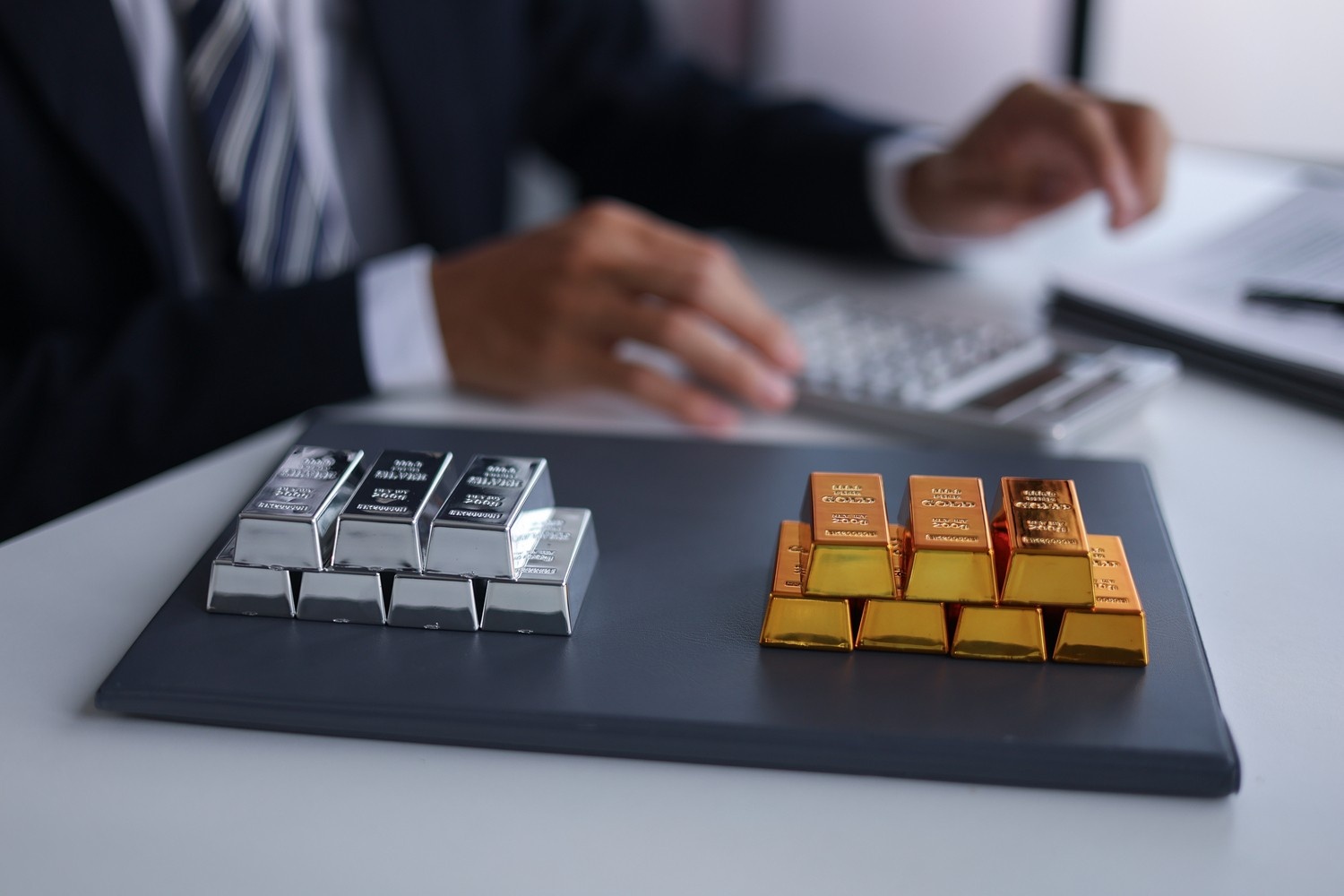
Gold and silver get grouped together as safe haven precious metals so often that it’s easy to assume they move in lockstep. 2026 argued otherwise. Both set record highs in the same week this January, then diverged sharply on the way back down, with silver swinging far harder in both directions. If you’re weighing gold vs silver performance for a trading book, a client portfolio, or a treasury hedge, that gap is the real story: it comes down to volatility, how each metal reacts to interest rates, and how much of the move is driven by investment demand versus industrial use. Here’s what separates the two, and how to think about which one fits your position.
Understanding Gold vs Silver Performance
Gold vs silver performance describes how the two metals’ prices move over time in response to interest rates, inflation, investor sentiment, and demand. Both are precious metals and both get bought as safe havens when confidence in currencies or markets slips. But gold trades mainly as a monetary asset, while silver carries a second identity as an industrial input, and that difference shows up directly in performance.

According to Trading economic, gold and silver do not always move the same way, and 2026 made that obvious. Gold is generally the more stable of the two, driven mainly by real interest rates, the US dollar, and central bank and investor demand for a defensive asset. Silver answers to those same macro forces, plus a second set tied to solar panels, electronics, and electric vehicles, which is why it typically moves further than gold in both directions.
Long Term vs Short Term Performance
Over the long term, gold functions as a monetary store of value and inflation hedge, which is why it typically anchors the defensive side of a precious metals position. Silver carries that same long-term role, but with added torque from industrial use across electronics, solar energy, and manufacturing. Silver’s dual identity as both a monetary and industrial metal makes it inherently more volatile than gold, and its lower price per ounce puts exposure within reach of a much wider range of trading strategies and position sizes.
In the short term, the performance of both gold and silver is heavily influenced by macroeconomic conditions. Rising interest rates can put downward pressure on precious metals, as investors may shift toward income-generating assets offering higher yields.
Expectations of higher inflation typically support both metals, as investors look to precious metals to preserve purchasing power. Geopolitical shocks add a further wrinkle the same event can push precious metals higher through safe haven demand and lower through the inflation and rate expectations it triggers a dynamic playing out through 2026, as the US Iran conflict has moved oil prices, inflation expectations, and rate cut odds at the same time.
Which is Right for You?
The right choice comes down to your financial objectives, investment horizon, and risk tolerance and what you need the position to do inside a broader book.
Gold tends to fit best when the priority is portfolio stability, protection against inflation, and a defensive hedge during economic uncertainty. Its comparatively lower volatility, plus deep and liquid futures and OTC markets, makes it easier to size and exit at scale, which is why it remains the default choice for wealth preservation and diversification.
Silver fits better when you’re comfortable with greater price volatility in exchange for potentially higher returns. Beyond its investment appeal, silver is supported by industrial demand from solar, electronics, and EVs, which is why its prices can swing harder than gold’s in both directions, creating greater opportunity alongside greater risk.
Conclusion
Gold and silver both earn a place in a well built commodities book, just not the same place: gold for its relative stability, defensive qualities, and role as an inflation hedge. Silver for its growth potential and exposure to industrial demand trends.
2026 has made the contrast concrete, gold has held up as the steadier defensive holding through a volatile year, while silver has delivered sharper rallies, sharper corrections, and a supply deficit that keeps its longer term demand story intact. The next step is usually sizing the position and choosing the right instrument, whether that’s futures, OTC, or another vehicle. For a closer look at relative value, see our guide to the gold silver ratio, or if you’re weighing a three way split, our precious metal allocation guide covering gold, silver, and platinum together. Explore ACM’s commodity contracts for gold and silver exposure, or contact our team to talk through what fits your book.