Insights
Precious Metal Allocation: Gold vs Silver vs Platinum
Dresyamaya Fiona
•
8 Minutes
read
•
Jul 14, 2026
Allocating investments across gold, silver, and platinum allows investors to compare metals with different market dynamics and economic drivers. Their unique characteristics influence how they contribute to portfolio diversification and long term asset allocation.
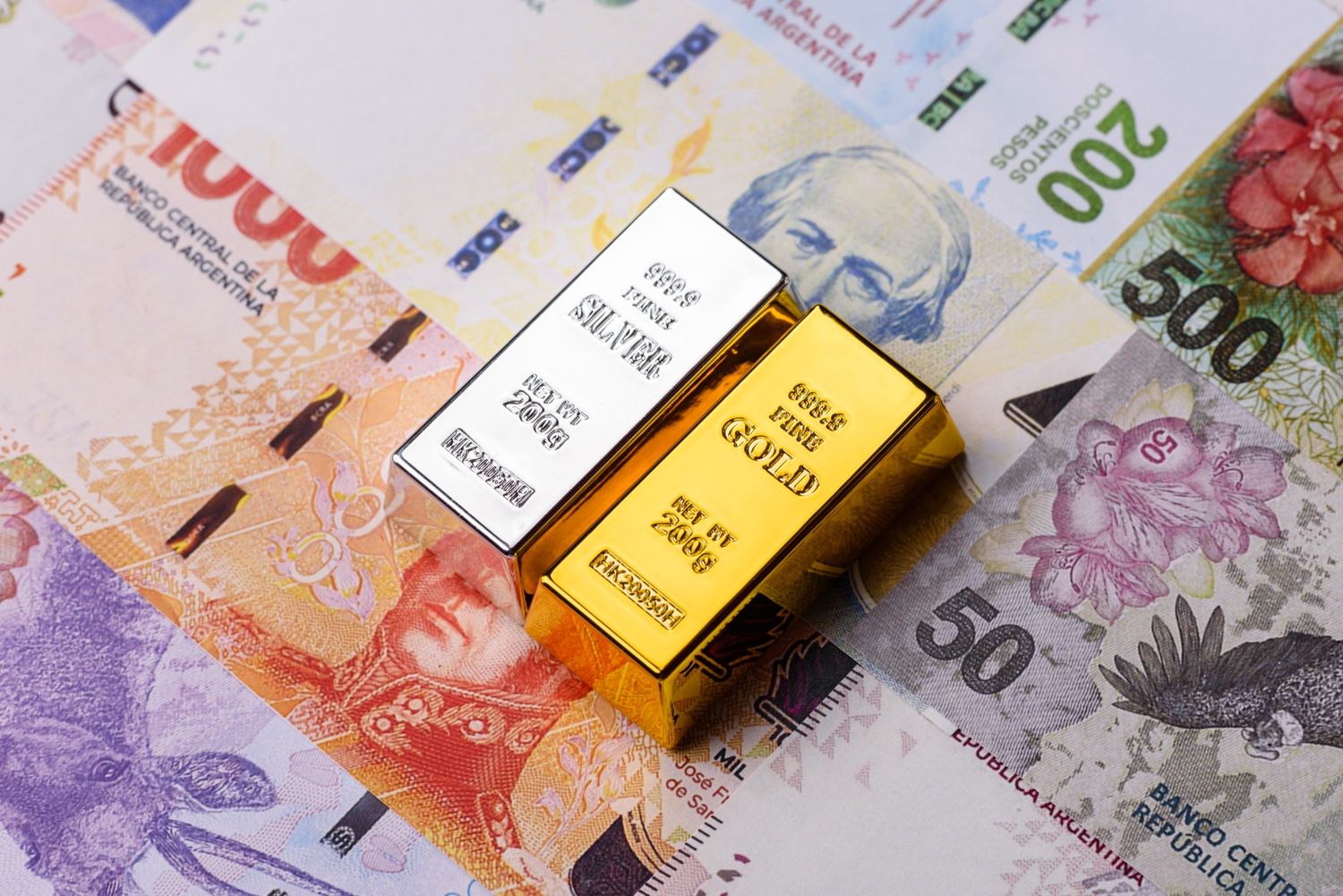
Gold, silver, and platinum all hit all time highs within the same week in January 2026, then gave back a significant share of those gains within months. For a trading desk or an institutional portfolio, that kind of synchronized spike and correction raises a harder question than whether to own gold: how much precious metal exposure belongs in a diversified book, spread across which of the three metals, and through which instrument.
As global markets continue to face inflation concerns, geopolitical tensions, and shifting interest-rate environments, understanding the role of precious metals in an overall asset allocation strategy has become increasingly important.
What Is Precious Metal Allocation?
Precious metal allocation refers to the share of a portfolio held in gold, silver, platinum, or palladium, and the deliberate decisions behind how that exposure is built. At an institutional or trading-desk level, exposure typically comes through some combination of:
- Exchange-traded and cleared derivatives, such as futures and options contracts
- Physical bullion, held directly or through allocated storage
- Exchange-traded funds (ETFs) and other listed products
- Mining and royalty equities, which add operational and equity-market risk on top of metal price exposure
The purpose of allocating precious metals is diversification. Because gold, silver, and platinum are driven by a different mix of monetary, industrial, and supply side factors than equities or fixed income, they can behave differently when other parts of a portfolio are under pressure. That doesn’t mean precious metals are uncorrelated with everything else, or that the relationship holds in every environment but it’s the core rationale for treating them as a distinct allocation rather than an afterthought.
Rather than relying solely on stocks and bonds, investors may allocate a portion of their portfolio to precious metals to help manage risk and preserve wealth over the long term.
Why Institutional Portfolios Include Precious Metals
Asset allocation is the process of dividing capital across asset classes to balance risk and return. Precious metals typically sit in the “alternatives” bucket, valued for behavior that doesn’t mirror equities or bonds.
2026 has been an unusually clear illustration of why that matters. Gold, silver, and platinum all touched all-time highs within each other in late January 2026, before a sustained correction through the first half of the year. By mid July, a fresh leg down followed renewed U.S. - Iran tensions not because the conflict reduced safe-haven demand, but because the resulting spike in oil prices revived inflation concerns and pushed back expectations for interest-rate cuts, which raises the opportunity cost of holding non-yielding metal.
Many investors include precious metals in their asset allocation strategy because they may offer:
- Portfolio diversification
- Inflation considerations
- Market risk management
- Exposure to alternative asset classes
- Long term portfolio objectives
These characteristics make precious metals a valuable consideration for investors seeking broader portfolio diversification
Read also: 7 Reasons Why Gold Prices Are Rising
Comparing Gold, Silver, and Platinum for Portfolio Allocation
Gold, silver, and platinum share a category, but they don’t share a demand profile. Treating them interchangeably in a portfolio context misses why each one earns its place.
Gold
Gold is the most liquid and the most monetary of the three metals. It trades on deep, around the clock futures and OTC markets, and its price is driven primarily by real interest rates, the US dollar, and safe haven demand rather than industrial consumption.
According to Trading Economics, demand helped push gold to an all-time high above $5,595 per ounce on January 2026, before a sharp correction brought it back into a $4,000–$4,200 range by mid July still up roughly 20% year-on-year despite giving back much of the January spike.
When inflation rises or currency values weaken, investors often increase their exposure to gold as a defensive measure. Gold long standing reputation as a store of value has made it a common component of many precious metal allocation strategies.
Silver
Silver carries a dual identity gold doesn’t have. Alongside investment demand, it’s a critical industrial input for solar panels, electronics, and electric vehicles industrial use the silver Institute estimates will account for more than half of total 2026 demand, even as usage per solar panel continues to fall. That industrial base is also why the silver market is on track for a sixth consecutive year of supply deficit, with most mine supply arriving as a byproduct of lead, zinc, copper, and gold production rather than in direct response to silver’s own price.
Silver’s price action in 2026 has been the most volatile of the three metals: an all-time high above $115 per ounce in late January gave way to a correction to roughly $58–$61 by mid-July and still up more than 50% year-on-year, according Trading Economics. A reminder that silver’s smaller, thinner market amplifies moves in both directions relative to gold.
Platinum
Platinum is the smallest and most industrially exposed of the three markets. South Africa supplies most of the the world’s mined platinum, and aging mines, power instability, and rising production costs have constrained output for several years, while recycling from spent automotive catalytic converters still hasn’t recovered to pre pandemic levels.
Data from the SD Bullion, supply tightness combined with industrial and green energy demand, pushed platinum to an all-time high of $2,734.72 per ounce on January 2026. Like gold and silver, it has since corrected sharply, trading near $1,600–$1,650 by mid July its lowest level since November 2025, but still up roughly 16% year on year.
How Much Should You Allocate?
There’s no fixed formula for precious metal allocation. The right size depends on mandate, risk tolerance, time horizon, and how correlated the rest of the portfolio already is to the same macro risks inflation, real rates, currency.
Factors institutional and trading desks typically weigh when sizing an allocation include:
- Correlation to existing equity and fixed-income exposure
- Liquidity needs and expects holding period
- Vehicle choice, since futures margin and roll costs behave differently from physical storage fees or ETF expense ratios
- Currency exposure, since gold, silver, and platinum are priced in US dollars
- Tolerance for volatility, which is meaningfully higher in silver and platinum than in gold.
A balanced asset allocation strategy should align with an investor's overall financial objectives rather than focusing solely on a single asset class.
Benefits of Precious Metal Allocation
A deliberately sized precious metal allocation can offer several structural advantages within a broader portfolio.
Diversification
Gold, silver, and platinum are driven by a different combination of monetary policy, industrial demand, and supply constraints than equities or bonds, so they don’t necessarily move in the same direction, or by the same magnitude, as the rest of a portfolio during stress.
Inflation Protection
Gold is widely used as a hedge against currency debasement, since its supply can’t be expanded the way a money supply can. Many investors include precious metals in their asset allocation strategy because they are often viewed as a potential hedge against inflation and declining purchasing power.
Portfolio Stability
Precious metals, gold in particular have historically not moved in lockstep with equities during periods of market stress, precious metals may help reduce overall portfolio volatility.
Global Demand Exposure
Precious metals give a portfolio exposure to demand trends, industrial and investment demand from economies around the world can create additional opportunities within precious metal markets.
These benefits explain why precious metals remain a consideration within many long-term investment strategies.
Risks to Consider
Precious metals carry real risks alongside the diversification benefits, and 2026 price action illustrates several of them directly.
- Precious metals generate no income. Unlike bonds or dividend-paying equities, returns depend entirely on price appreciation, which carries a real opportunity cost when real yields are elevated.
- Liquidity varies by metal and vehicle. Gold futures and OTC markets are deep, platinum’s are considerably thinner, which can widen spreads and complicate large trades, especially in volatile periods.
- Geopolitical catalysts can cut both ways. A conflict that lifts oil prices and inflation expectations can push precious metals lower, via reduced rate-cut odds, just as easily as it can lift them via safe-haven demand seen in 2026.
Read also: Why Gold is Valuable: Key Reasons Gold Remains Important
Conclusion
Gold, silver, and platinum spent 2026 proving they don’t move together. A shared record high week in January gave way to three different correction paths by mid-year, shaped by central bank policy, industrial demand, and supply constraints specific to each metal. Whether through gold, silver, platinum, or palladium, precious metal allocation offers investors an opportunity to diversify beyond traditional asset classes and potentially strengthen portfolio resilience.
For traders, institutional investors, and brokers building or reviewing that allocation, the next step is usually vehicle selection, sized to the liquidity and risk profile the position needs. Explore ACM’s commodity contracts for gold, silver, and platinum exposure, or see ACM’s membership overview for how institutions and brokers access these markets directly.