Insights
7 Reasons Why Gold Prices Are Rising
Rasya Azkha
•
7 Minutes
read
•
May 8, 2026
The increase in gold prices reflects broader developments within financial markets and the global economy. Variations in monetary conditions, investor sentiment, and economic outlook influence how gold is valued as both a commodity and a financial asset.
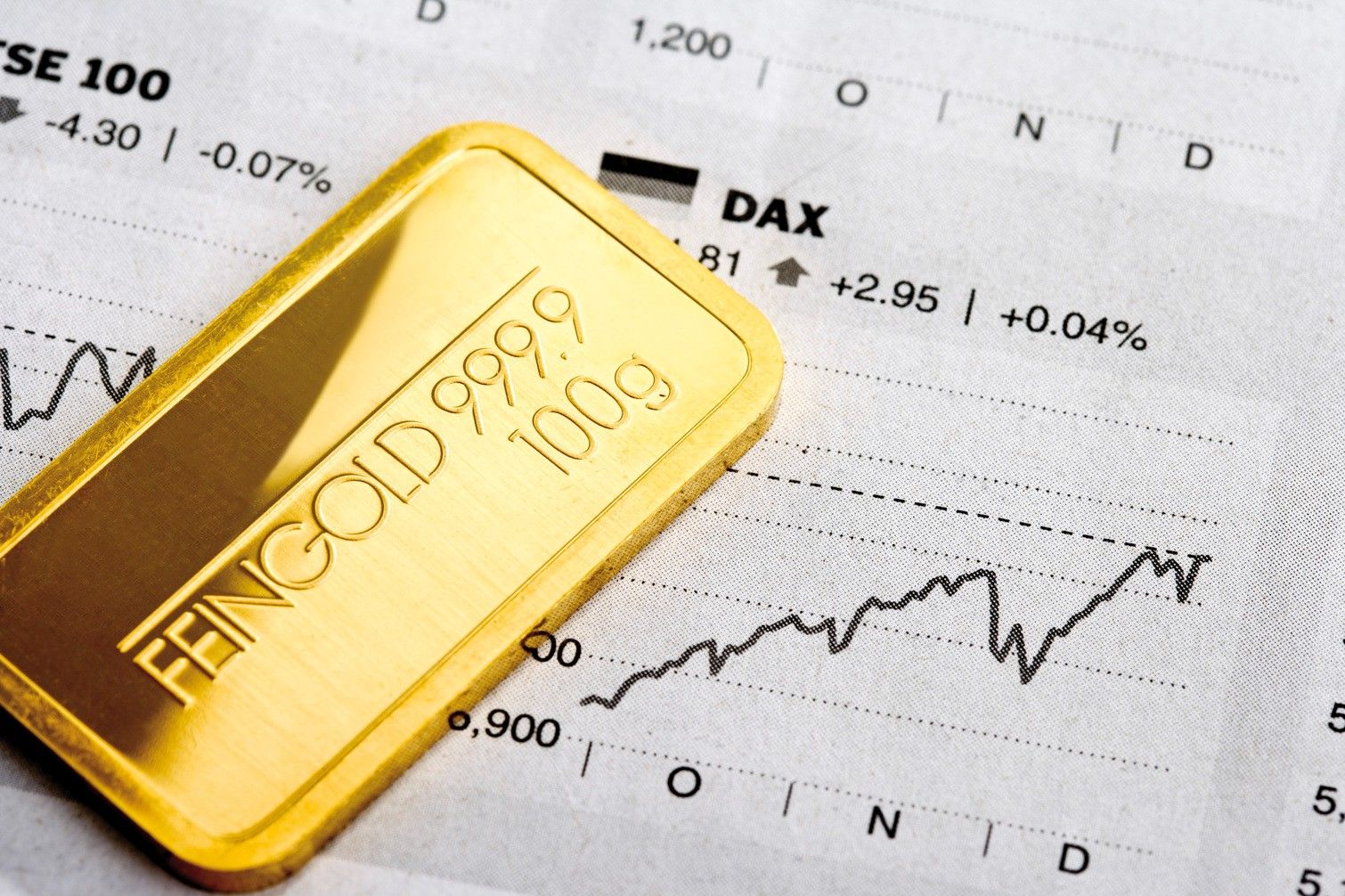
Gold has been regarded as one of the most valuable and enduring assets in the global economy. Known for its rarity, durability, and universal appeal, it plays a significant role in both financial markets and cultural traditions. Beyond its physical properties, gold is widely recognized as a store of value and a hedge against economic uncertainty.
As global conditions continue to shift, understanding what drives the gold price and its relevance as an investment becomes increasingly important. This article explores the fundamentals, key factors influencing the gold price, and how gold is currently discussed in the financial markets.
Why Gold Matters in Financial Markets
Gold is a precious metal known for its distinctive properties, making it both valuable and versatile. It belongs to a group that includes silver, platinum, and palladium, all of which play important roles in financial markets and global trade.
Among them, gold stands out as the most widely recognized and symbolic precious metal. One of its unique characteristics is that it naturally occurs in a relatively pure form within the Earth’s crust, a rarity that further contributes to its enduring significance and appeal.
Read also: What is Nickel Used For in Everyday Products
Why Is the Price of Gold Rising?
Gold prices rise due to a combination of monetary, structural, and market-driven factors, including:
1. Lower Interest Rate Expectations
When markets expect interest rates to decline, especially from major central banks, gold often becomes more attractive. This is because lower interest rates can reduce the appeal of interest-bearing assets such as bonds.
2. Central Bank Demand
Several emerging market central banks, such as China, India, and Turkey, have increased their gold reserves to diversify away from reliance on the US dollar. This creates steady long-term demand that can support gold prices.
3. Investor Demand
Gold is often included in diversified portfolios by both private and institutional investors. Demand can come from physical gold, such as bars and coins, as well as financial instruments like gold ETFs.
4. Jewelry and Technology Consumption
Gold is not only used for investment purposes. Demand from the jewelry sector, particularly in countries such as India and China, accounts for a significant share of global consumption.
Gold is also used in electronics, medical devices, and other industrial applications, although industrial demand generally accounts for a smaller share of the market than investment and jewelry demand.
5. Geopolitical and Economic Uncertainty
During periods of geopolitical tension or economic instability, gold is often viewed as a safe-haven asset. This can increase demand and push prices higher.
6. US Dollar Movements
Gold is typically priced in US dollars. When the US dollar weakens, gold can become more attractive to global investors seeking alternative stores of value.
7. Limited Supply and Long-Term Scarcity
Gold’s relatively limited supply contributes to its long-term scarcity and perceived value. However, short-term gold price movements are typically influenced by macroeconomic conditions, monetary policy expectations, currency strength, and investor sentiment than by mining production alone.
However, these factors do not guarantee sustained price increases, and gold prices may decline due to changes in interest rates, currency strength, or market sentiment.
Key Considerations Before Investing in Gold
Gold is often discussed as a diversification tool, but its role within a portfolio depends on individual objectives and market conditions. Prices can fluctuate significantly in the short term, influenced by factors such as interest rates, inflation expectations, currency movements, and investor sentiment.
Unlike equities or bonds, gold does not generate income, so its returns depend primarily on price movements, which may not be consistent.
Investing in gold may also involve additional considerations depending on the chosen instrument. Physical gold can require storage and insurance, while financial products such as ETFs or derivatives may include fees, spreads, or margin requirements.
While gold is commonly included in diversified portfolios by both institutional and individual investors, its suitability and ideal allocation depend on risk tolerance, investment horizon, and overall portfolio composition. As with any asset, its performance is not guaranteed, and it should be assessed within a broader investment strategy.
Read also: Why Is Platinum Price Rising in Early 2026?
Conclusion
With that said, gold remains a unique asset shaped by a combination of physical characteristics, market dynamics, and global economic factors. Its ability to retain value, combined with strong demand from investors and central banks, has driven market interest in gold at certain times. While short-term price fluctuations are inevitable, broader trends such as monetary policy, geopolitical uncertainty, and currency movements reinforce its relevance.
Gold is often discussed in the context of diversification, but it carries risks and may not be suitable for all investors. Understanding why gold prices rise can support more informed decision making when considering gold as part of a well-rounded and resilient investment strategy.
All information is based on sources believed to be reliable, but accuracy is not guaranteed. This content is not an offer, recommendation, or advice to buy or sell any financial products. Investing involves risks, and past performance does not guarantee future results. Advice should be sought from a financial adviser regarding the suitability of any investment product or service you may wish to purchase or subscribe to.