Insights
Commodity Product Guide for Global Markets
Rasya Azkha
•
7 Minutes
read
•
May 19, 2026
The concept of a commodity product relates to goods that are exchanged within commodity markets under standardized conditions. These products form part of broader trading systems connected to global economic activity.

Commodity products are the foundation of global trade and industrial activity, playing a critical role in the production and consumption of goods worldwide. From raw materials like metals and energy resources to agricultural products such as crops and livestock, commodities shape both economic systems and daily life.
Understanding what commodity products are, how they are categorized, and how they differ from finished products provides valuable insight into supply chains and market dynamics. This article explores the definition of commodity products, their main types, and the key distinctions between commodities and products in modern economies and industries.
What is a Commodity Product?
A commodity product refers to a standardized good that is essentially identical to others of the same type, regardless of the producer or manufacturer. Because there is little to no differentiation, these products are typically valued based on market prices rather than branding.
Commodity products can be traded both physically such as raw materials delivered to buyers or digitally through financial markets, where prices are determined by global supply and demand dynamics.
Types of Commodity Products
Tradable commodity products are generally grouped into three main categories based on their natural characteristics and end uses: metals, energy, and agricultural commodities. Each category plays a distinct role in the global economy and offers different opportunities for trade and investment.
1. Metal Commodities
Metal commodities include both precious and base metals. Precious metals such as gold, silver, platinum, and palladium are relatively rare and hold intrinsic value, making them popular for jewelry and as investment assets, often used to hedge against inflation or currency depreciation.
Base metals, including copper, nickel, and lead, are more widely available and essential for construction, manufacturing, and the production of various industrial goods and alloys.
2. Energy Commodities
Energy commodities are fundamental to powering modern economies. They are used to generate electricity, fuel transportation, and support industrial activities worldwide.
Common examples include crude oil, natural gas, coal, electricity, and energy derived from renewable sources. Supply availability, geopolitical factors, and seasonal demand largely influence their prices.
3. Agricultural Commodities
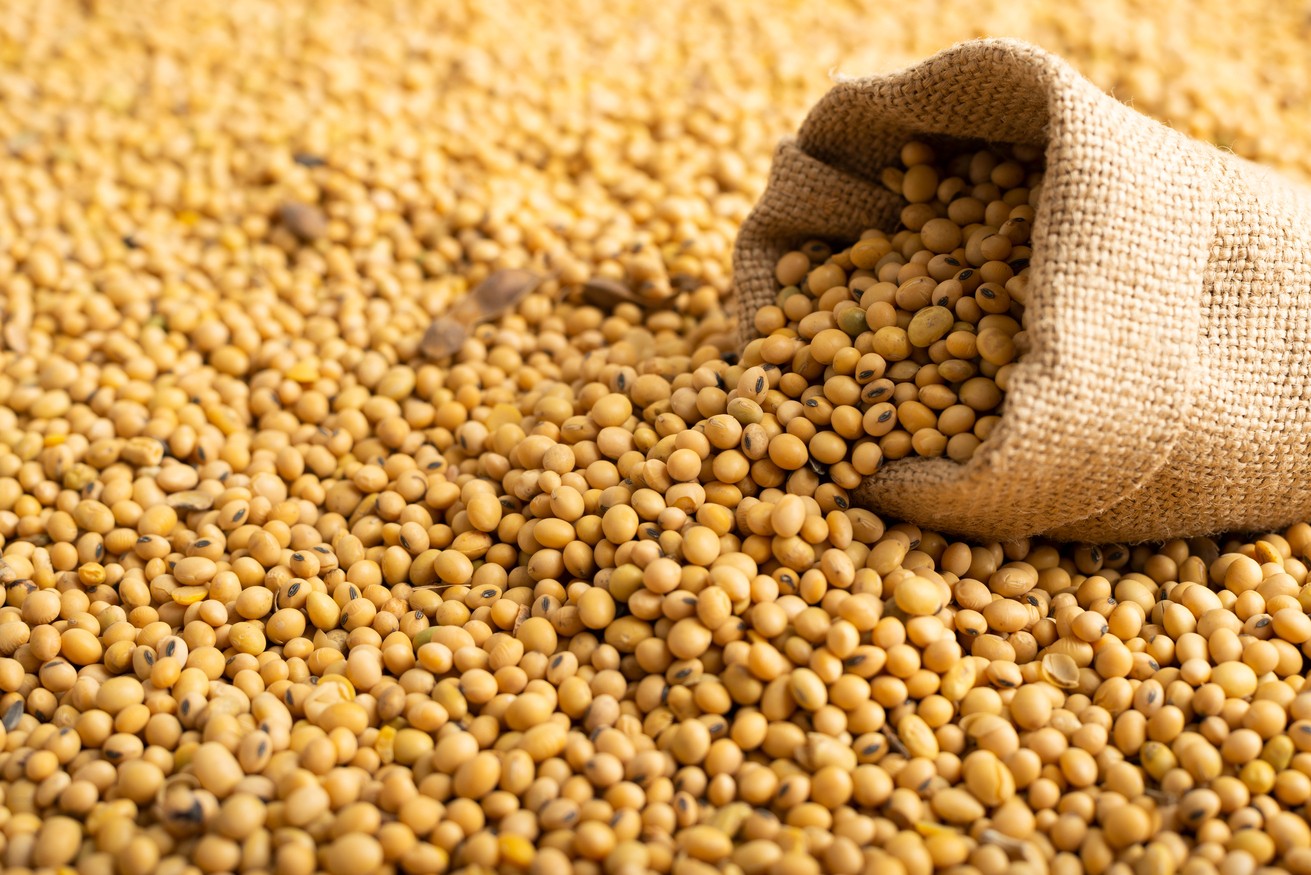
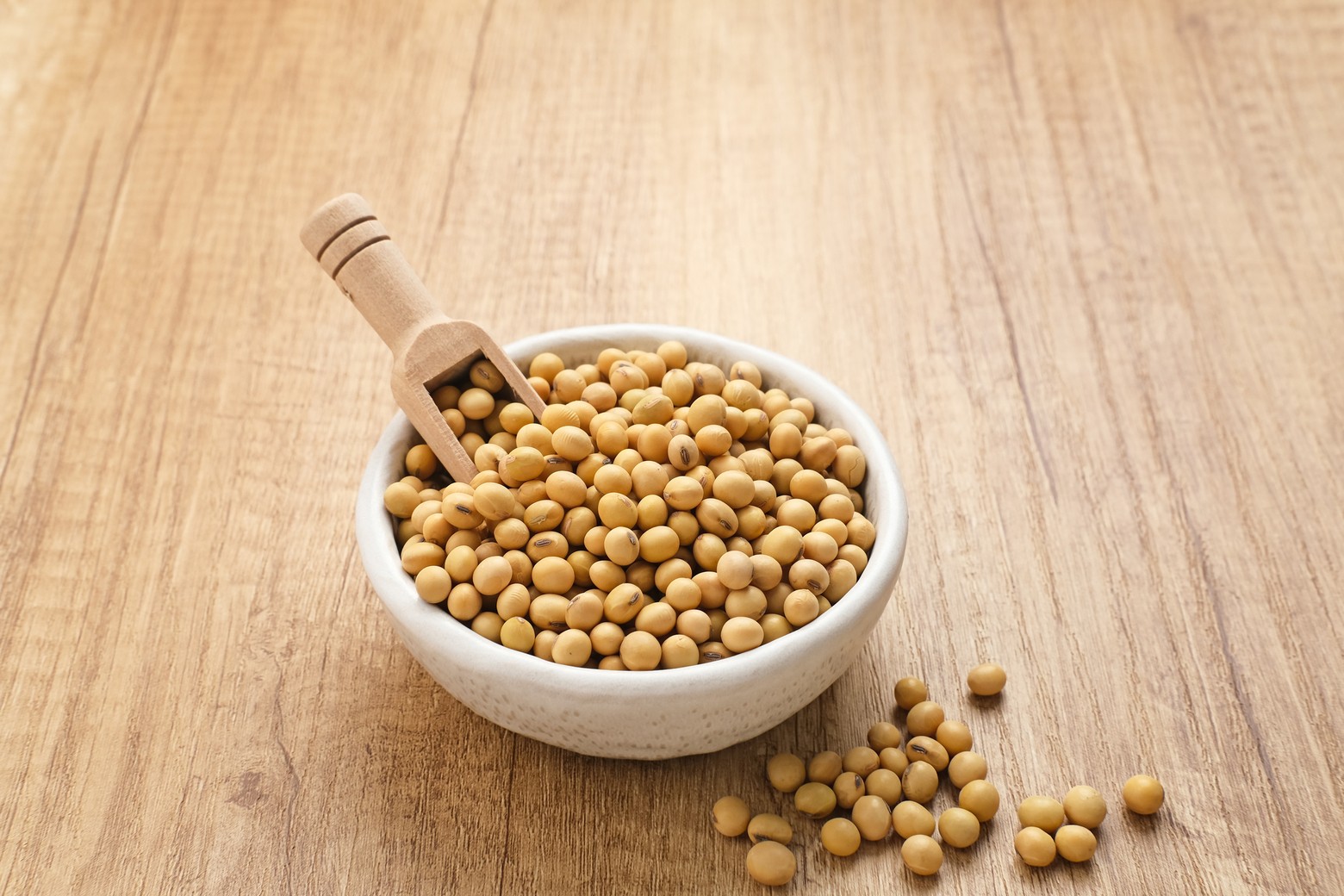
Agricultural commodities consist of crops and livestock produced through farming. Products such as corn, soybeans, wheat, coffee, sugar, cocoa, and cotton are essential for food supply and industrial use.
Their pricing is highly sensitive to weather conditions, seasonal cycles, global demand, and broader factors such as population growth and changing dietary trends.
Commodity vs Product
The distinction between commodities and products lies mainly in their roles in the production and consumption processes.
A commodity is a basic, standardized raw material used as an input in the production of goods and services. These are typically uniform in quality and interchangeable across suppliers. Commodities form the foundation of many everyday items, from food and clothing to energy and industrial materials.
Common examples include crude oil, copper, wheat, coffee beans, and gold. They are generally categorized into hard commodities, which are mined or extracted (such as metals and oil), and soft commodities, which are grown, such as agricultural products.
A product, on the other hand, is a finished or semi-finished good created using commodities and prepared for sale to consumers. Unlike commodities, products can be differentiated through design, quality, branding, and marketing.
They are often referred to as consumer or final goods and are typically classified into durable goods, such as appliances and furniture that last over time, and consumable goods, such as groceries or fuel that are used quickly or require frequent replacement.
In essence, commodities are the building blocks, while products are the value added outcomes designed for end use.
Read also: Commodity vs Product: What's the Difference?
Conclusion
Commodity products remain essential to the functioning of global markets, serving as the building blocks for countless goods and industries. Their standardized nature and price-driven valuation distinguish them from finished products, which carry added value through branding and design.
By understanding the different types of commodities metals, energy, and agriculture and their roles in production, businesses and investors can better navigate market opportunities.
Ultimately, recognizing the relationship between commodities and products provides a clearer perspective on how raw materials are transformed into everyday goods, highlighting their importance in economic growth, trade, and global supply chains.