Insights
Gold Demand in Indonesia and Vietnam: What's Driving Continued Growth?
Dresyamaya Fiona
•
8 Minutes
read
•
Aug 7, 2026
Indonesia and Vietnam represent important markets within Southeast Asia's precious metals landscape. Their gold demand is influenced by economic growth, investment participation, consumer demand, and financial market developments, offering valuable insight into regional trends and market behavior.
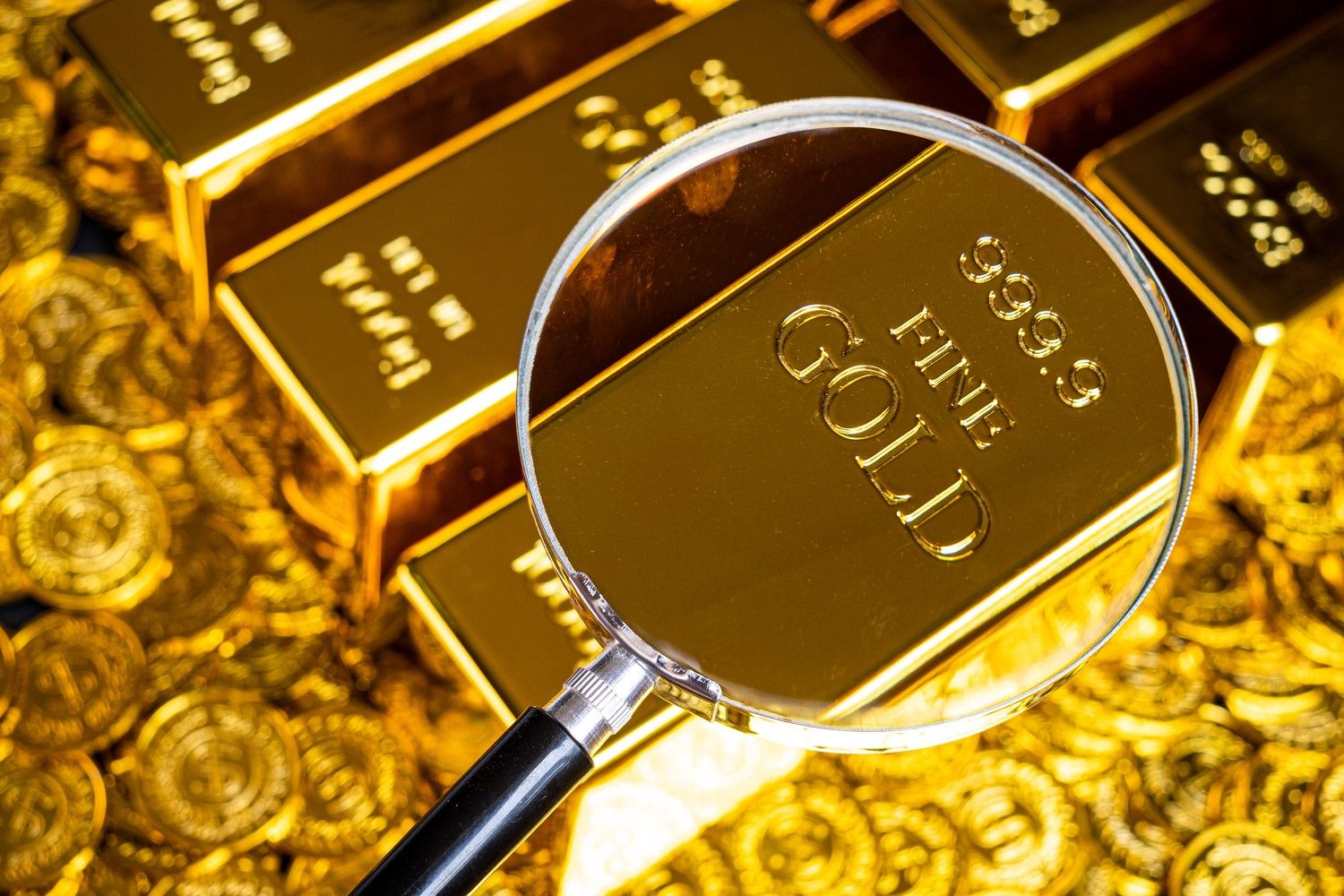
Gold demand in Southeast Asia continues to demonstrate remarkable resilience, even as global gold prices trade near historic highs. Rather than slowing demand, elevated prices have coincided with sustained buying activity across several Southeast Asian markets, reflecting gold's enduring role as a long-term investment and wealth preservation asset.
From Indonesia and Thailand to Vietnam and Singapore, investors continue to view gold as a strategic component of diversified portfolios. Combined with strong institutional demand and evolving investment products, these trends continue to support the region's growing participation in the global precious metals market.
Indonesia and Vietnam Remain an Important Gold Market
Gold demand in Indonesia and Vietnam has long been supported by a combination of investment, cultural traditions, and economic factors. According to the World Gold Council (WGC), countries including Indonesia, Thailand, Vietnam, and Singapore remain among Asia's most significant gold markets, contributing to regional demand for bars, coins, jewelry, and investment products.
Unlike many financial assets that are heavily influenced by short-term market sentiment, gold is often accumulated with a long-term perspective. Investors throughout the region commonly use gold to preserve wealth, diversify portfolios, and manage financial uncertainty.
As Southeast Asia's middle class continues to expand and financial markets become more accessible, demand for investment-grade precious metals is expected to remain well supported.
Read also: Gold vs Silver Performance in 2026: A Trader’s Guide
Vietnam's Growing Influence in Southeast Asia's Gold Market
Vietnam remains one of Southeast Asia's largest gold markets, with gold remains a cornerstone of global financial markets and long-term wealth preservation. Strong consumer demand, combined with a long-standing preference for physical gold, has made the country a significant contributor to regional gold consumption.
As Vietnam's economy continues to expand and investment awareness grows, interest in gold as a portfolio diversification tool is also increasing. This trend reflects a broader shift towards building financial resilience, particularly during periods of market uncertainty and inflation.
With a growing investor base and increasing participation in regional financial markets, Vietnam is expected to remain an important market for precious metals, supporting the continued growth of gold demand in Southeast Asia.
Gold Demand Remained Strong in the First Half of 2026
According to the World Gold Council, global gold demand remained stable at 1,269 tonnes in Q2, bringing total demand in the first half of the year to 2,522 tonnes, up 2% year-on-year. The total value of gold demand reached a record US$380 billion, supported by high gold prices. Investment in gold bars and coins remained steady, while central banks increased their gold reserves.
Higher Gold Prices Changed Buying Patterns
High gold prices and ongoing inflation affected consumer buying habits during the quarter. Jewelry demand fell to 278 tones, the lowest level since the pandemic, as affordability became more challenging.
However, overall spending on gold jewelry still increased 14% year-on-year to US$40 billion, as consumers paid more for their purchases. Gold demand from the technology sector also increased slightly, driven by growing demand for AI-related applications despite weaker sales in consumer electronics.
The Factors Supporting Gold Demand in Indonesia and Vietnam
Several key trends continue to support gold demand across Indonesia and Vietnam.
1. Long Term Wealth Preservation
Gold remains one of the region's preferred assets for preserving wealth across generations.
Unlike investments focused primarily on capital appreciation, gold is often viewed as a store of value that can help maintain purchasing power over time. This long-term perspective helps explain why investors continue buying even when prices reach new highs.
2. Inflation and Economic Uncertainty
Although inflation has moderated in many economies, uncertainty surrounding future price stability continues to influence investment decisions.
Gold has historically been used by investors seeking portfolio diversification during periods of elevated inflation and broader economic uncertainty. As a result, demand often remains resilient when macroeconomic conditions become less predictable.
3. Currency Diversification
Many Southeast Asian investors also use gold to diversify exposure away from individual currencies.
Because gold is traded globally in U.S. dollars, it offers investors an internationally recognized asset that may help balance portfolios during periods of exchange rate volatility.
4. Easier Access to Gold Investments
The way investors access gold has evolved significantly.
While physical bullion remains popular, today's investors can also invest through:
- Gold exchange-traded funds (ETFs)
- Precious metals derivatives
- Digital gold platforms
- Exchange listed investment products
Greater accessibility has expanded participation among both retail and institutional investors, contributing to sustained market growth.
What Investors Should Monitor
Although long-term demand remains constructive, gold prices continue to respond to changing market conditions.
Investors should monitor several important factors, including:
- Central bank purchasing activity
- U.S. Federal Reserve interest rate decisions
- Inflation expectations
- U.S. dollar performance
- Geopolitical developments
- Global ETF investment flows
These indicators can significantly influence both investor sentiment and precious metals prices over time.
Read also: How ACM Fits in Commodity Exchanges
Looking Ahead
The outlook for gold demand in Southeast Asia remains supported by strong structural fundamentals.
Growing investor participation, expanding access to investment products, continued central bank buying, and resilient global demand all suggest that gold is likely to remain an important asset within diversified investment portfolios.
While short-term price movements will continue to reflect changing economic conditions, the long-term drivers behind regional demand remain firmly in place.
For investors seeking exposure to global commodities, understanding the forces shaping gold demand in Southeast Asia can provide valuable insights into broader market trends and portfolio opportunities.
Gold continues to play an important role in global financial markets. Keeping track of demand trends, economic conditions, and market developments can provide valuable insights for investors looking to better understand the opportunities and risks within the precious metals sector.