Insights
Metal Price Benchmarks for Precious and Industrial Metals
Dresyamaya Fiona
•
7 minutes
read
•
Nov 26, 2026
Global metal markets use established pricing references to support transactions and evaluate changes in commodity values. These references differ across metal categories, with precious metals commonly associated with investment and financial activity, while industrial metals are closely linked to manufacturing, construction, and other commercial applications.
Have you ever wondered why the prices of gold, copper, silver, and platinum change every day?
Behind these movements are metal price benchmarks. These are reference prices used by businesses, traders, manufacturers, and investors to understand the current value of metals in the global market.
Simply put, metal price benchmarks help market participants know how much a particular metal is generally worth at a given time. They provide a common reference when buying, selling, or evaluating metals.
However, benchmark prices are not always the same as the actual prices paid in a transaction. The final price can be different depending on the product's quality, quantity, location, delivery costs, and market conditions.
For example, the international benchmark price of gold may be used as a reference by businesses when evaluating gold transactions. However, the actual buying or selling price may include additional costs or premiums.
What Determines the Prices of Different Metals?
Each metal has different uses, and its price is influenced by the needs of the industries that depend on it. Here is a closer look at four major metals and what drives their prices.
1. Gold: Influenced by Investment Demand and the Global Economy
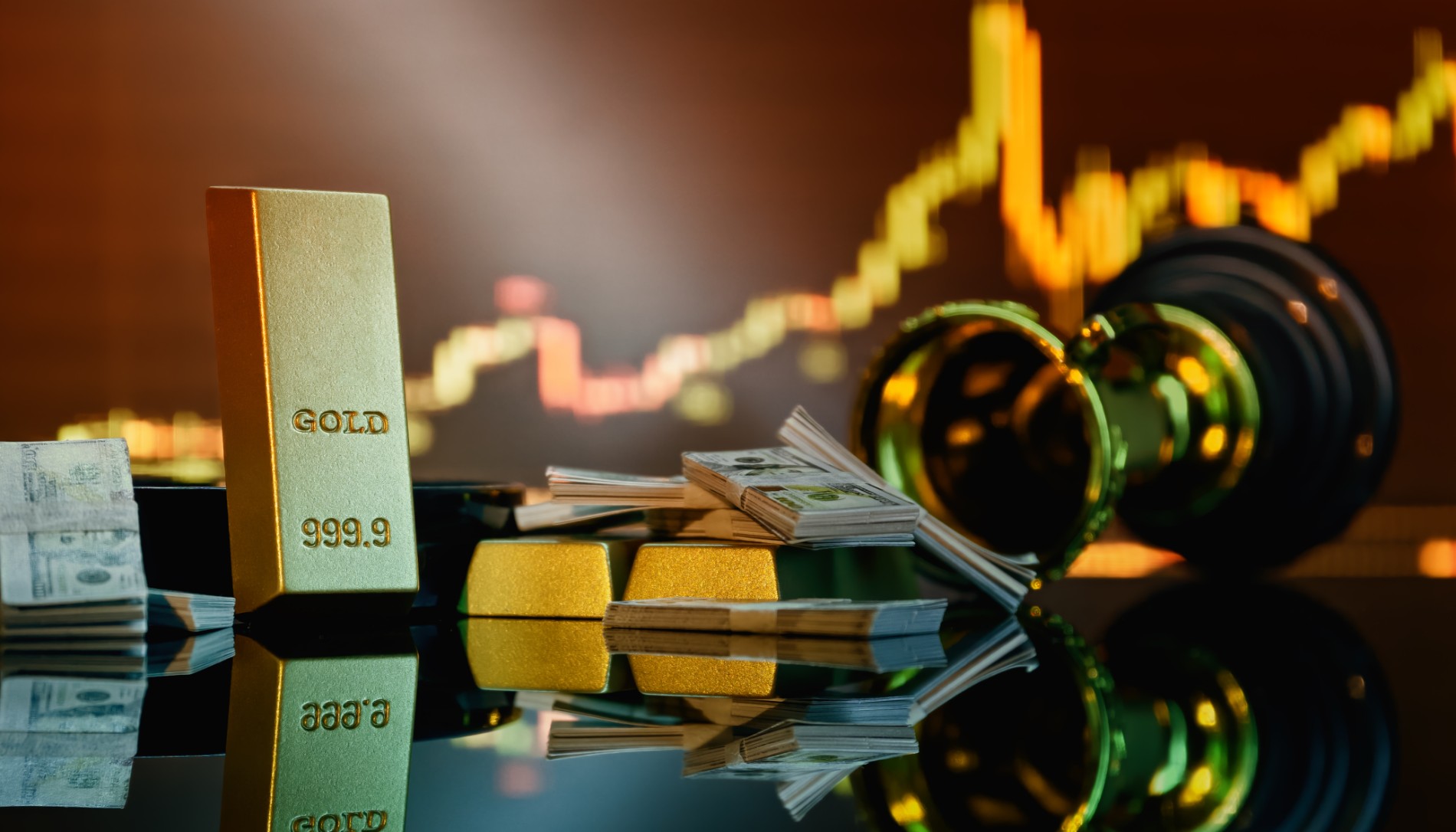
Gold is one of the most widely traded precious metals. It is commonly used in jewelry, investment products, and financial reserves.
Its price is influenced by several factors, including inflation, interest rates, currency movements, and global economic uncertainty.
For example, when investors become concerned about economic conditions, they may turn to gold to protect their wealth. This can increase demand and put upward pressure on gold prices.
2. Copper: Driven by Industrial Demand
Copper is an important material in construction, electrical equipment, electronics, and manufacturing.
It is also widely used in renewable energy infrastructure, electric vehicles, and power networks.
When construction and manufacturing activities increase, the demand for copper may also rise. However, if mining production cannot keep up with demand, available supply becomes tighter, potentially pushing prices higher.
This makes copper an important metal to watch when assessing global industrial activity.
3. Platinum: Supported by Industrial and Automotive Demand
Platinum is used in several industries, particularly automotive manufacturing, jewelry, and chemical production.
It is also gaining attention in hydrogen related technologies.
Its price depends on how much platinum is available from mining activities and how much is needed by industries. Changes in automotive production, mining operations, and investment demand can all influence its market value.
4. Silver: Used in Both Investment and Technology
Silver is another important precious metal with a wide range of applications.
Besides jewelry and investment, silver is used in electronics, electrical equipment, and solar panels.
As demand for renewable energy and technology continues to develop, the need for silver may also change. Its price is influenced by both industrial demand and investment activity, making it an interesting metal to follow in the global market.
Read also: The Most Traded Precious Metals in 2026
How Do Supply and Demand Affect Metal Prices?
One of the most important factors behind metal price movements is the relationship between supply and demand.
Supply refers to how much metal is available in the market, mainly from mining production and recycling. Demand refers to how much metal is needed by businesses, manufacturers, investors, and other market participants.
When demand increases but supply remains limited, prices generally face upward pressure. On the other hand, when supply increases while demand slows down, prices may move lower.
For example, if the global automotive industry expands, manufacturers may need more copper and platinum. If mining production cannot meet this growing demand, the market may experience tighter supply and higher prices.
Global economic conditions also play an important role. Interest rates, inflation, currency movements, trade policies, and geopolitical developments can influence production costs, investment decisions, and industrial demand.
These factors help explain why metal prices can change even when the metals themselves have not changed.
By following supply and demand developments, market participants can better understand the factors behind metal price movements and the benchmarks used across international markets.
How ACM Exchange Connects Asia to International Metal Markets
How ACM Exchange Connects Asia to International Metal Markets
Metal prices are influenced by developments around the world. Therefore, access to international market information and pricing references is important for businesses and traders in Indonesia.
One of the major international institutions in the metals industry is the London Metal Exchange (LME), part of the HKEX Group. The LME provides a global marketplace for metals trading and is widely recognized for its role in international metal pricing.
Through ACM Exchange partnership with the LME, ACM Exchange strengthens its connection with the international metals market, supporting greater connectivity between global market developments and Asia commodity market participants.
Read also: Commodity Exchanges in Global Markets
Explore Metal Trading Opportunities with ACM Exchange
Understanding metal price benchmarks is a useful first step in following the global metals market.
From gold's relationship with economic uncertainty to copper's importance in industrial development, each metal has different factors that influence its price.
Knowing what drives these movements can help market participants better understand market conditions and identify potential trading opportunities.