Insights
Agriculture Commodity Supply in Global Markets
Rasya Azkha
•
7 Minutes
read
•
Oct 28, 2026
Global agricultural commodity supply reflects the availability of crops across different producing regions and the systems used to distribute them. The movement of agricultural products between producers, processors, and consuming markets creates interconnected supply networks that support food production and other commercial activities.
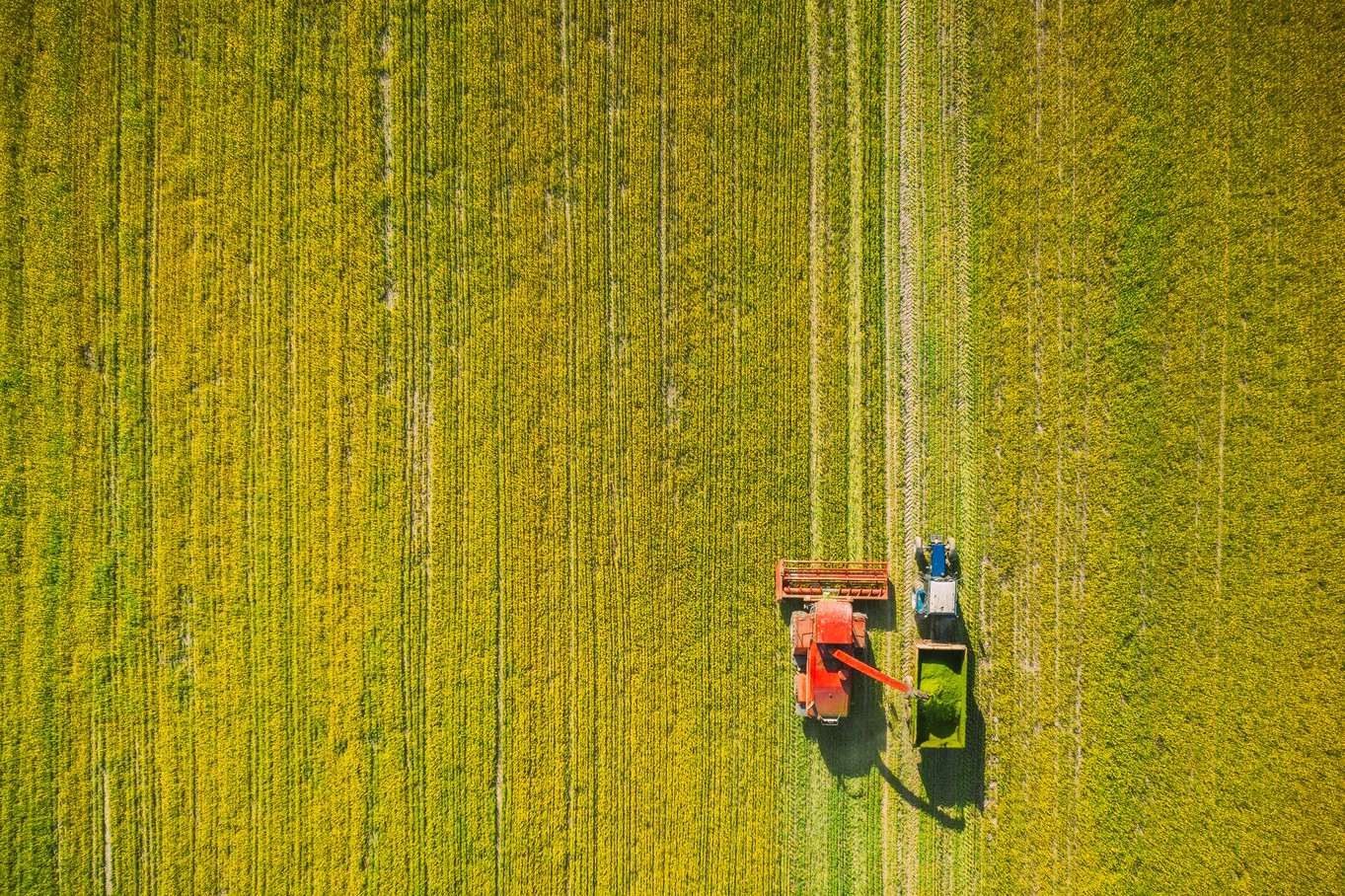
Agriculture commodities sit at the heart of global trade, feeding people, livestock, and industry every day. For financial professionals, commodity traders, businesses, and investors, understanding how agricultural supply works the starting point is for managing price risk and finding opportunity.
Product Agriculture in Commodities
Agriculture commodities fall into several broad groups. Grains and cereals, including wheat, corn, and rice, form the foundation of global food supply and animal feed. Vegetable oils and oilseeds, such as palm oil and rapeseed, are used in cooking, food manufacturing, and biofuels.
Beverage and sweetener crops, including coffee, cocoa, and sugar, are traded globally and are highly sensitive to climate in their growing regions. Industrial crops such as natural rubber and cotton supply manufacturing, while livestock and dairy cover meat, milk, and related goods.
For participants in Indonesia, this list has relevance. Indonesia is the world's largest producer of palm oil and a significant producer of coffee, cocoa, and natural rubber, so domestic producers, processors, and traders are directly connected to global agricultural price movements.
Knowing which group, a commodity belongs to helps traders anticipate what will drive its price: yield and weather for grains, energy and policy for vegetable oils, and consumption trends for beverages and sweeteners.
Supply and Demand of Agriculture Product
Prices of agriculture products are set by the balance between supply and demand, and both sides have features that make this balance unusually volatile. On the supply side, output depends on planted area, yields, input costs such as fertilizer and energy, and above all weather. Because a crop takes months to grow, producers cannot respond quickly to price signals; a shortfall in one season can only be corrected by the next harvest. Stock levels act as a buffer against shortfalls.
Demand tends to be steady and relatively insensitive to price, since people need to eat and livestock need to be fed. It grows with population and income and is increasingly influenced by biofuel policy that links agricultural and energy markets. Government measures, including export restrictions, import tariffs, and stockholding policies, can shift supply and demand quickly across borders.
The FAO's June 2026 Food Outlook describes global food commodity markets as relatively favourable, while noting that weather, geopolitical developments, and spillovers from energy and fertilizer markets remain risks. For traders and businesses, this combination of steady demand and uncertain supply is exactly why price risk management matters.
Upcoming ACM Exchange Agriculture Contract
ACM Exchange is preparing to expand its marketplace with an upcoming agriculture contract, reflecting its continued commitment to developing Indonesia’s commodity market.
This initiative aims to create more opportunities for market participants and support a transparent, structured trading environment. Further details will be announced through ACM Exchange’s official channels.
Conclusion
Agriculture commodities combine steady, essential demand with supply shaped by weather, seasons, and policy, making their markets both vital and volatile. By understanding what these agriculture commodities supplies are, how the main groups differ, and how supply and demand interact, traders, businesses, and investors can make better-informed decisions.
As ACM Exchange prepares to introduce its agriculture contract, now is a good time to build that knowledge and consider how a transparent, regulated marketplace can support your price risk strategy.
DISCLAIMER:
All information is based on sources believed to be reliable, but accuracy is not guaranteed. This content is not an offer, recommendation, or advice to buy or sell any financial products. Investing involves risks, and past performance does not guarantee future results. Advice should be sought from a financial adviser regarding the suitability of any investment product or service you may wish to purchase or subscribe to.