Insights
Commodity Exchanges in Global Markets
Rasya Azkha
•
7 minutes
read
•
May 5, 2026
Commodity exchanges operate as platforms where contracts linked to physical goods are traded under defined rules. These systems influence how commodities are priced and exchanged within international markets.

Commodity exchanges play a vital role in global financial markets by providing a structured platform for trading raw materials such as metals, energy, and agricultural products.
Rather than exchanging physical goods, participants typically trade standardized contracts that represent future transactions. These exchanges help to promote transparency, efficiency, and fair pricing while supporting economic activity worldwide.
Understanding how commodity exchanges function helps investors and market participants navigate opportunities for diversification and risk management in an increasingly interconnected global economy.
What is a Commodity Exchange
A commodity exchange is an organized marketplace where various commodities ranging from metals like gold and silver to agricultural products such as wheat and soybeans are traded.
Rather than handling physical goods, traders typically deal in futures contracts, agreeing to buy or sell a set quantity at a predetermined price on a future date. These exchanges operate as regulated entities, establishing and enforcing standardized trading rules and procedures.
Overall, commodity exchanges provide market participants with access to commodity markets, that can be used for hedging or diversification, depending on individual objectives and risk tolerance.
Read also: Commodities as Investment: Pros and Cons
Key Features and Functions
Commodity exchanges play a central role in facilitating trade by bringing buyers and sellers together in an organized marketplace. They enhance liquidity and enable efficient price discovery, allowing market participants to determine fair commodity prices based on supply and demand.
To maintain reliability, exchanges enforce transparency, standardization, and smooth settlement processes for trades, whether conducted through futures or spot contracts.
Historically, trading took place on physical floors through brokers, much like stock exchanges. However, with technological advancements, this system has evolved into fully electronic platforms, making trading faster, more accessible, and more efficient for participants worldwide.
Key Global Commodity Exchanges
1. CME Group (including Chicago Mercantile Exchange, Chicago Board of Trade, and New York Mercantile Exchange)
- The largest and most influential derivatives marketplace globally, offering a wide range of futures and options across agriculture, energy, metals, and financial products. Its historical roots in Chicago reflect its early role in supporting agricultural trade.
2. Intercontinental Exchange (ICE)
- A leading global exchange known for energy, soft commodities, and financial derivatives. ICE operates fully electronic markets and plays a major role in global pricing, especially in oil and coffee.
3. London Metal Exchange (LME)
- The world’s central hub for industrial metals trading, particularly non-ferrous metals such as copper and aluminum. It remains one of the few exchanges with links to physical delivery systems.
4. Dalian Commodity Exchange (DCE)
- One of China’s leading exchanges, focusing on agricultural products, plastics, and iron ore. It has a growing global influence due to China’s role in commodity demand.
5. Bursa Malaysia Derivatives (BMD)
- A key regional exchange, especially important for palm oil futures, which serve as global pricing benchmarks.
6. Dubai Mercantile Exchange (DME)
- A specialized energy exchange in the Middle East, known for crude oil futures that act as regional pricing references.
7. Australian Securities Exchange (ASX)
- Australia’s primary exchange, offering commodities alongside equities and derivatives, with strength in energy and financial products.
8. ACM Exchange
- ACM Exchange offers a diverse range of products and contracts across many commodities such as silver, copper, platinum. Providing traders on our platform with the means to manage price risks as well as the ability to express their views of the markets.
Types of Commodities Traded on Exchanges
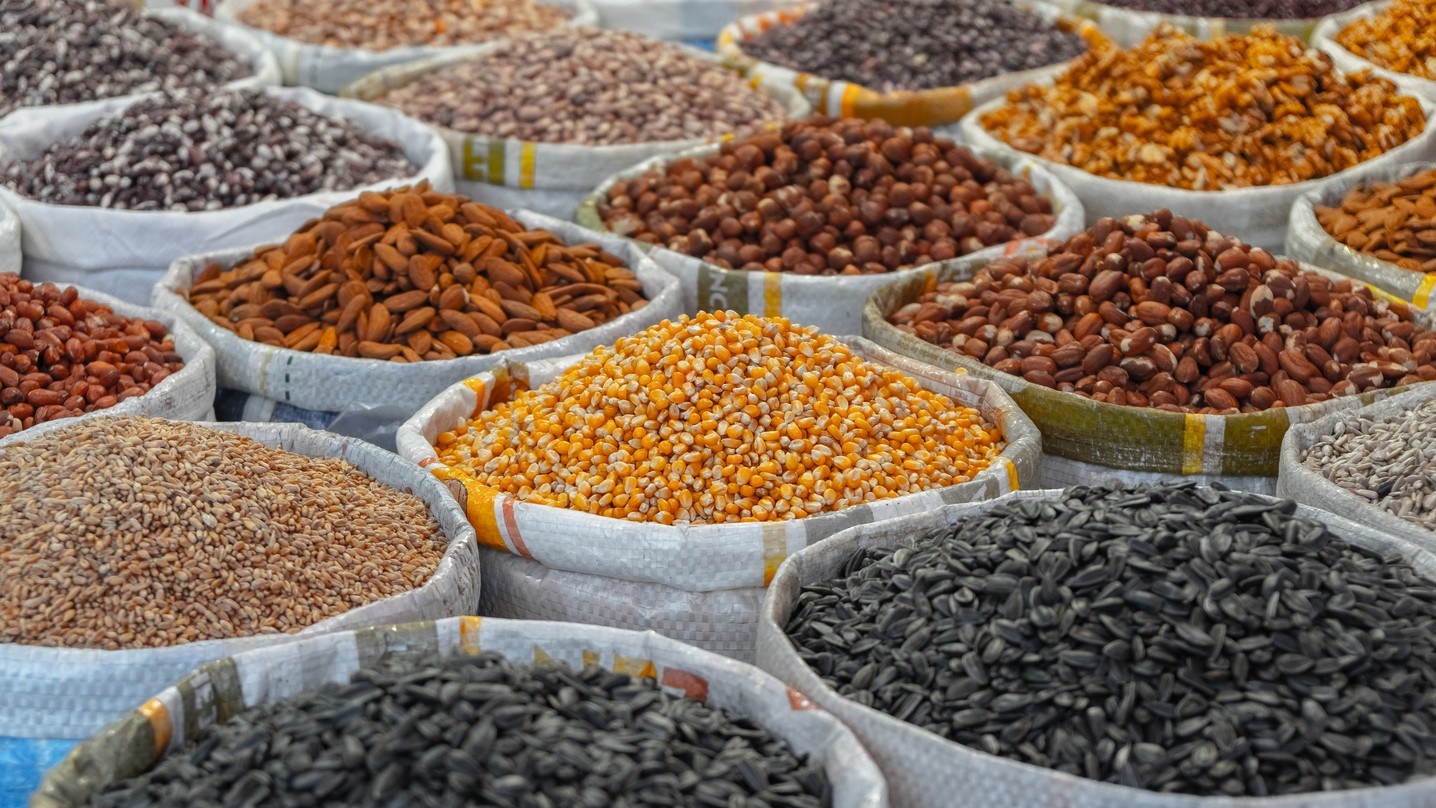
Commodity exchanges trade standardized contracts for raw materials, covering sectors such as agriculture, metals, and energy. These markets originated in the 19th-century United States, initially focusing on agricultural goods like corn, wheat, cattle, and pigs.
A key characteristic of commodities is their interchangeability each unit is essentially identical to another of the same type.
Today, commonly traded commodities include crude oil, gold, natural gas, cotton, silver, copper, soybeans, coffee, and sugar, among many others, reflecting the wide range of essential goods that underpin global trade and economic activity.
Read also: Silver Investing Strategies for 2026
Conclusion
In summary, commodity exchanges serve as essential institutions that connect buyers and sellers, facilitate price discovery, and ensure orderly trading of key global resources.
Through standardized contracts and regulated systems, they promote transparency and efficiency across markets. As trading continues to evolve with technology, these exchanges remain central to global commerce, offering investors diverse opportunities while supporting industries that rely on stable and predictable commodity pricing in an ever-changing economic landscape.