Insights
How Global Monetary Policy Affects Commodity Prices
ACM Exchange
•
7 Minutes
read
•
Apr 9, 2026
Monetary policy plays a role in shaping commodity prices by influencing economic activity and financial market conditions. Variations in policy stance affect capital allocation, demand expectations, and pricing trends across commodity markets.
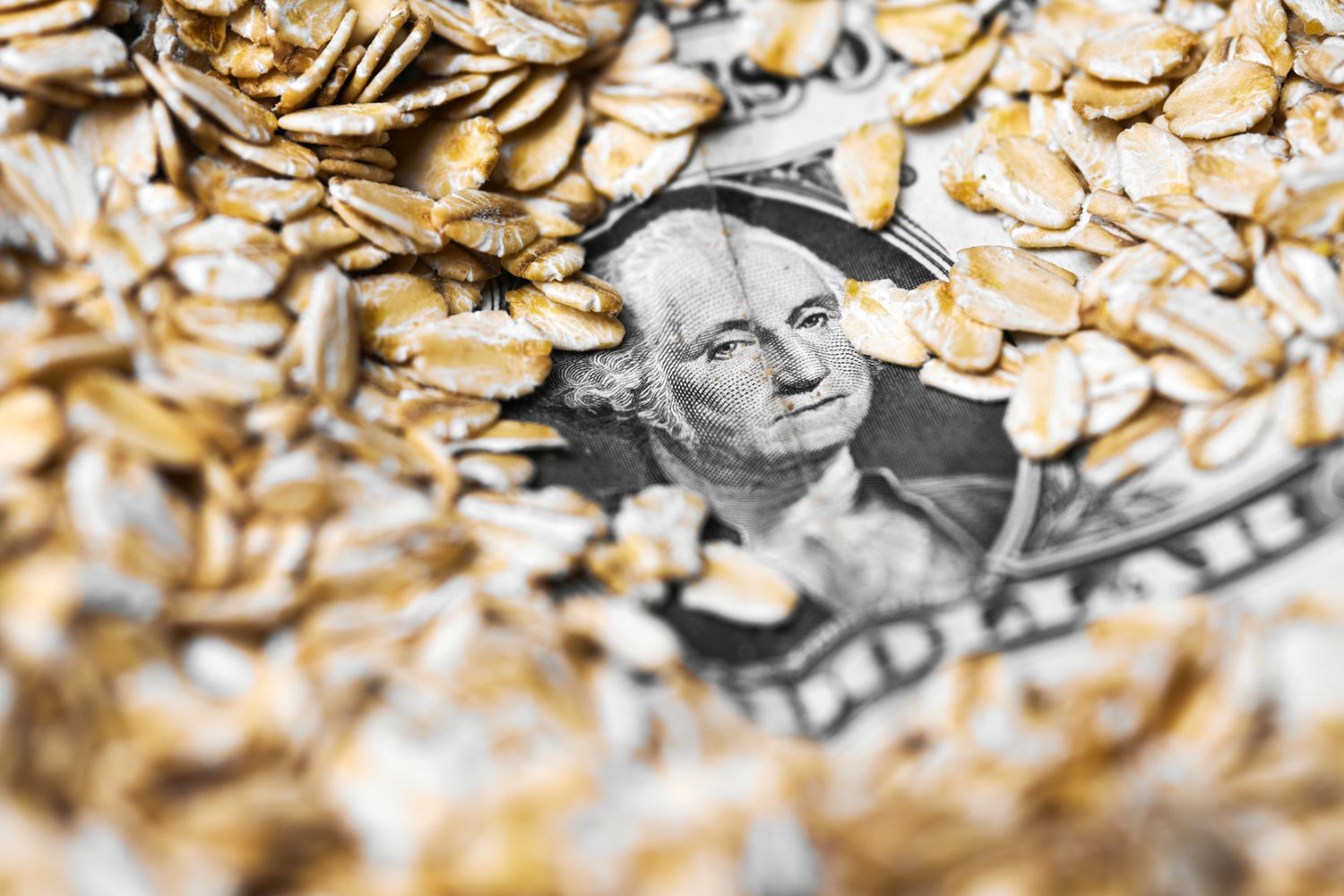
Why Monetary Policy Matters for Commodity Prices
Global commodity prices are influenced by a wide range of factors, including supply and demand fundamentals, geopolitical risks, technological shifts, and macroeconomic conditions. One of the most important macro drivers is monetary policy, as the relationship between monetary policy and commodity prices shapes market trends. The framework of monetary policy by central banks such as the U.S. Federal Reserve and the European Central Bank to regulates interest rates and liquidity in the economy.
Global monetary policy matters for commodity markets because it shapes financial conditions, affects currency values, and influences investor expectations.
This article explores the key mechanisms by which monetary policy affects commodity prices, including base metals such as copper, industrial metals like platinum, and precious metals such as silver, drawing on research from major institutions and academic studies.
Global Monetary Policy Mechanisms That Affect Commodity Prices
Monetary policy primarily works through interest rates, money supply, and exchange rates. The main channels include:
Interest Rates and Cost of Carry
Interest rates set by central banks impact the cost of financing inventories and holding commodities over time. Lower interest rates reduce the cost of carry, encouraging market participants to hold larger commodity inventories. Historically, lower real interest rates have been associated with higher real commodity prices, a relationship supported by economic research.
Exchange Rate Channel
Many global commodities, including oil and metals, are priced in U.S. dollars. When monetary policy tightening strengthens the dollar, commodities become relatively more expensive in other currencies, which can dampen global demand and put downward pressure on prices. Conversely, a looser monetary policy that weakens the dollar may lift commodity prices by making them more affordable globally.
Liquidity and Financial Conditions
Global monetary policy also influences overall liquidity in financial markets. Expansionary monetary policy (e.g., lowering interest rates, quantitative easing) increases liquidity and indirectly boosts commodity demand through broader financial conditions.
What Empirical Research Shows
Empirical studies help quantify these relationships:
Short-Term Effects
Recent research indicates that a small increase in U.S. monetary policy rates, even by as little as 10 basis points, can reduce commodity prices by 0.5% to 2.5% within 18–24 business days. This effect is particularly strong for industrial and highly storable commodities, suggesting that monetary policy transmission through commodity markets is a relevant short-term mechanism
Long-Term Contribution to Inflation Dynamics
Monetary policy’s impact on commodity prices also affects inflation. In some analyses, commodity price channels account for a substantial portion of monetary policy’s influence on headline inflation, in some cases nearly half of the total effect, especially for industrial metals and energy prices.
These findings highlight that global monetary policy influences not only financial markets directly but also broader commodity prices, which, in turn, feed into inflation dynamics.
Commodity Price Responses Vary by Type
Not all commodities react the same way:
● Energy commodities (such crude oil) respond strongly to changes in financial conditions and currency valuations.
● Base metals (such as copper) are sensitive to expectations of global economic growth and investment demand.
● Precious metals (such as silver) may react to liquidity conditions and safe-haven demand during periods of monetary easing or market stress.
Read also: Who Sets the Price of Commodities?
Conclusion
Understanding the interplay between global monetary policy and commodity prices helps market observers and analysts contextualize price movements within a broader macroeconomic framework. Key insights include:
● Monetary policy affects commodity markets through interest rates, exchange rates, and financial liquidity.
● Empirical evidence shows measurable effects of monetary policy actions on short-term commodity price dynamics.
● The transmission varies across different types of commodities, based on their storage characteristics and industrial demand.