Insights
Coal Investment Explained: Role in the Global Energy Market
Rasya Azkha
•
7 Minutes
read
•
Jan 20, 2026
Coal investment centers on assets connected to coal extraction, distribution, and consumption. Its role in the global energy market is defined by demand from power generation and industry.
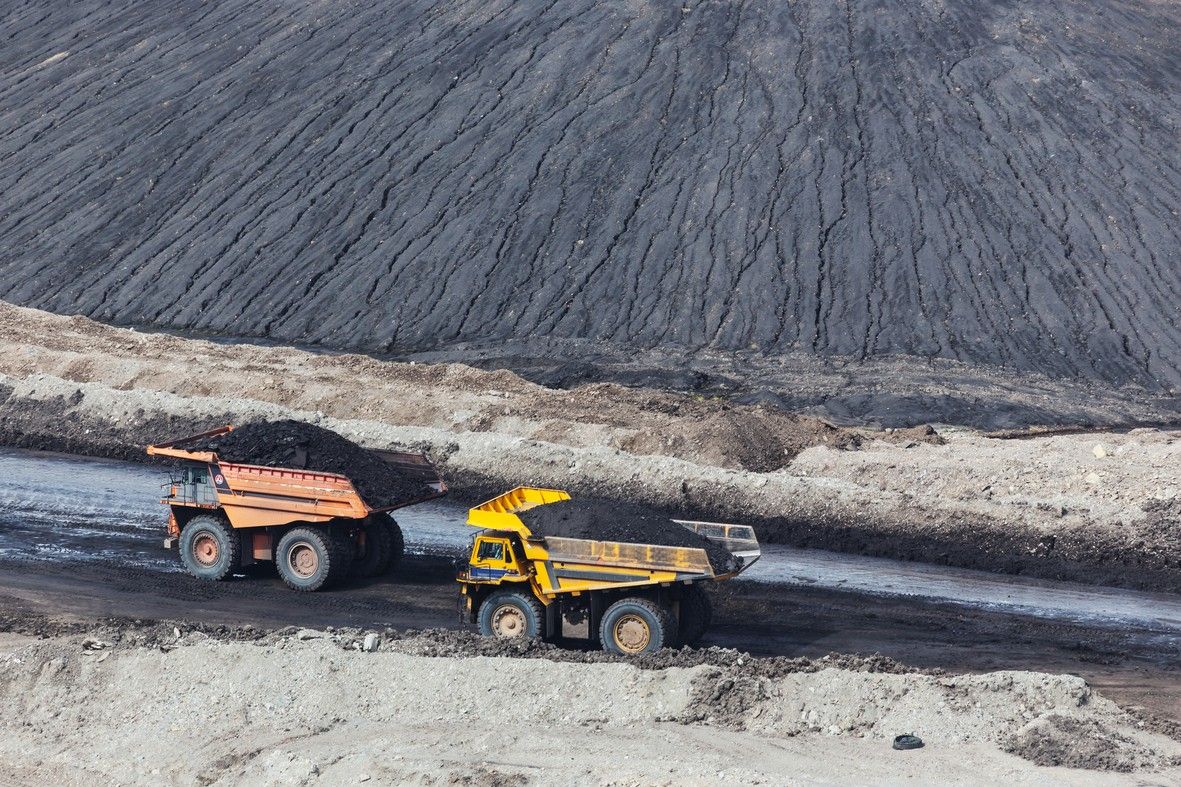
Coal investment remains a topic of debate as global energy systems evolve. While coal has long supported electricity generation and heavy industry, growing environmental concerns and policy shifts are reshaping the role of coal.
This article explains what coal investment involves, how investors can gain exposure to the sector, and the principal risks and benefits to consider. It also examines whether coal remains a viable investment choice in the short and long term.
What is Coal Investment?
Coal investment refers to the allocation of capital with the expectation of generating income or long-term value growth within the coal industry. Like any investment, it involves committing funds today to achieve potential financial returns in the future.
In this context, coal investment spans the entire coal value chain, including exploration, mining operations, processing, transportation infrastructure, and related energy facilities such as coal-fired power plants.
Investors may participate directly through ownership or indirectly through financing and market instruments. While returns are driven by coal demand, pricing, and operational efficiency, coal investments also carry market, regulatory, and environmental considerations that must be carefully evaluated before capital is committed.
How to Invest in Coal
Investing in coal can be done through several accessible channels, depending on an investor’s objectives and risk tolerance.
Common entry points include purchasing shares of coal companies. such as those focused on thermal, metallurgical, or coking coal or gaining exposure through coal focused exchange-traded funds (ETFs), which provide broader diversification across the sector.
Publicly listed coal producers allow investors to participate directly in company performance, while ETFs offer a more balanced approach by spreading exposure across multiple firms.
To begin investing in coal, investors typically follow a structured process. First, select a reliable investment platform or brokerage firm. Next, open an account and complete the required identity and payment verification.
Once funded, search for coal-related stocks or ETFs using their trading codes. Before committing capital, conduct thorough research on the selected companies or funds, considering financial performance, market conditions, and regulatory risks.
Finally, place the investment based on informed analysis and long-term objectives.
Benefits and Risks of Coal Investment
1. Key Benefits of Coal Investment
Coal investment offers several practical benefits, particularly in regions where energy demand continues to grow. Coal remains a major source of electricity for coal-fired power plants, especially in developing economies. Its wide availability and relatively low cost make it an accessible option where renewable energy infrastructure is still limited.
Beyond power generation, coal plays a critical role in heavy industries such as steel, cement, and aluminum production, serving as both an energy source and an essential raw material.
Another key advantage is reliability. Unlike solar or wind energy, which depend on weather conditions, coal-based power plants can operate continuously throughout the year. This consistency allows coal to provide stable baseload electricity, supporting essential services, industries, and everyday economic activity.
However, these benefits are counterbalanced by significant environmental and regulatory risks that could materially affect investment outcomes.
Read also: Soft Commodities: Understanding Their Role in Global Markets
2. Key Risks of Coal Investment
Coal investment involves several key risks shaped by policy, market competition, and global demand trends. A major concern is government regulation, as coal combustion produces high levels of greenhouse gas emissions. To address climate change and air pollution, many countries are strengthening environmental policies and gradually reducing reliance on coal-fired power generation.
Market competition further adds pressure. Renewable energy sources such as solar and wind, along with natural gas, are becoming more affordable and widely used, steadily displacing coal in the energy mix.
China’s energy strategy is another critical factor. As the world’s largest coal consumer, China’s shift toward cleaner energy sources is expected to reduce coal demand over time, increasing uncertainty for coal investors.
Is Coal a Good Investment?
Whether coal is a good investment depends on an investor’s values, time horizon, and risk tolerance.
From a personal and ethical standpoint, many investors avoid coal because it is among the most polluting energy sources, contributing heavily to greenhouse gas emissions and climate change. This environmental impact has made coal less attractive to sustainability-focused portfolios.
In the short term, however, coal continues to play an important role in many developing countries, where affordability and energy security remain priorities.
As a result, the demand for high quality thermal and metallurgical coal may remain steady in the near future soon. However, this is subject to multiple uncertainties and should not be relied upon as an indicator of future performance.
Looking further ahead, the outlook becomes more uncertain. Global decarbonisation efforts are gaining momentum, with key coal-importing countries such as China and Japan accelerating their transition to renewable energy.
Read also: Growth Investing in Commodities Opportunities
Conclusion
Coal investment offers both opportunities and challenges. In the near term, steady demand from developing economies and heavy industries can support returns.
However, increasing environmental regulations, competition from cleaner energy sources, and global decarbonizationefforts add significant long-term uncertainty.
As a result, some investors may consider coal for short-term exposure based on specific regional energy demands. However, this should not be construed as a recommendation. Careful evaluation of market conditions, policy trends, and personal investment values is essential before committing capital.